Trigger Happy
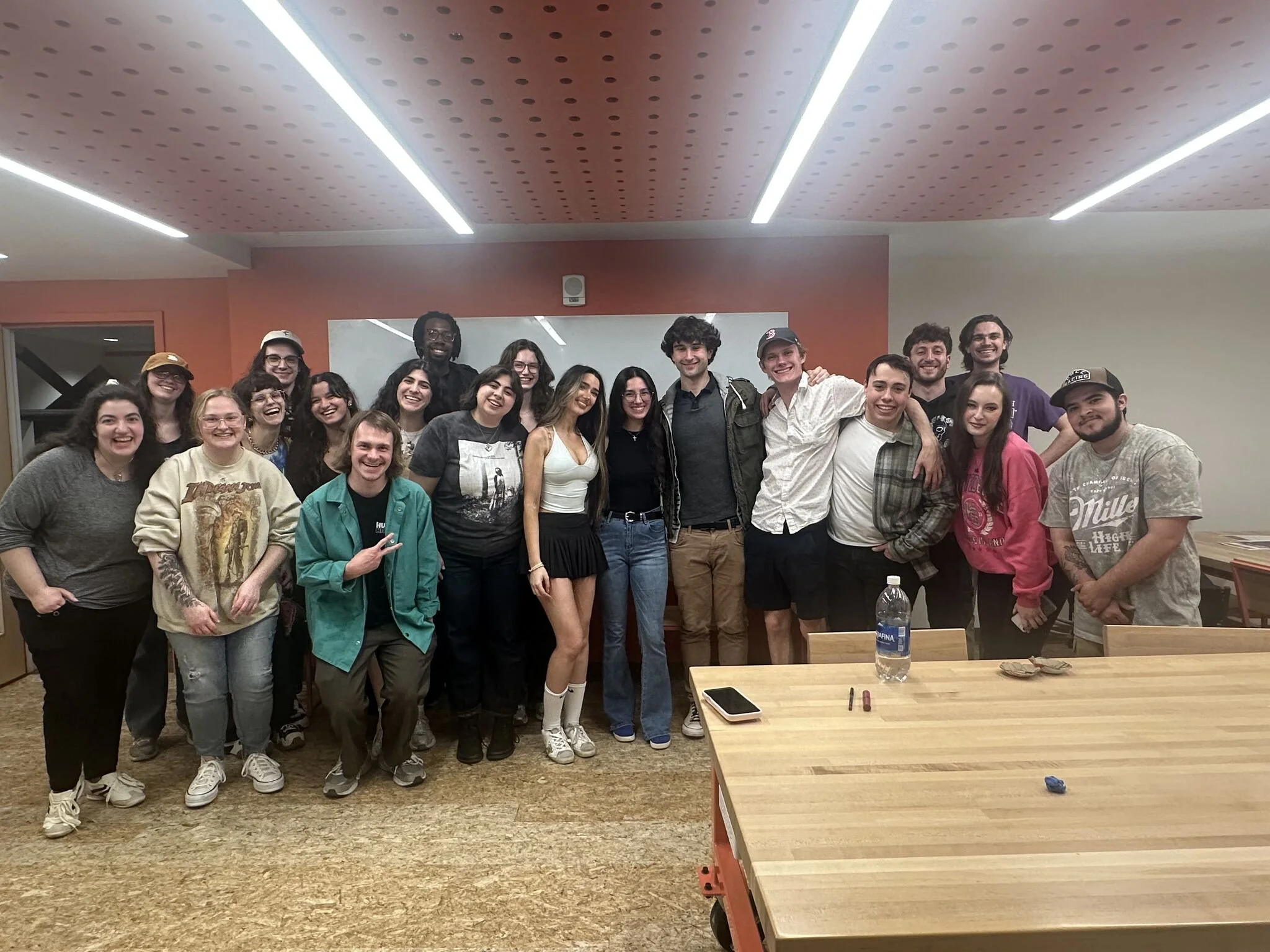
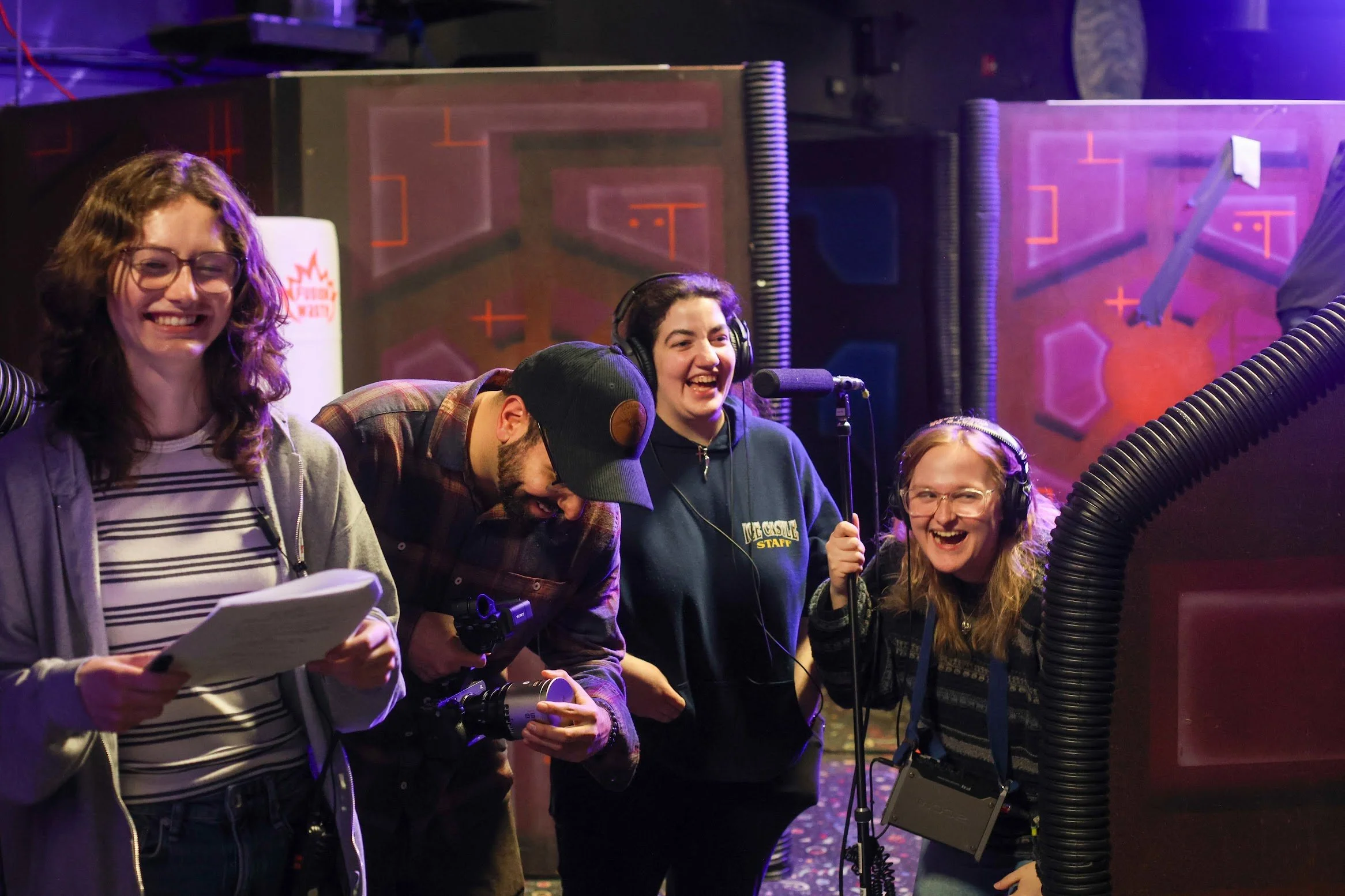
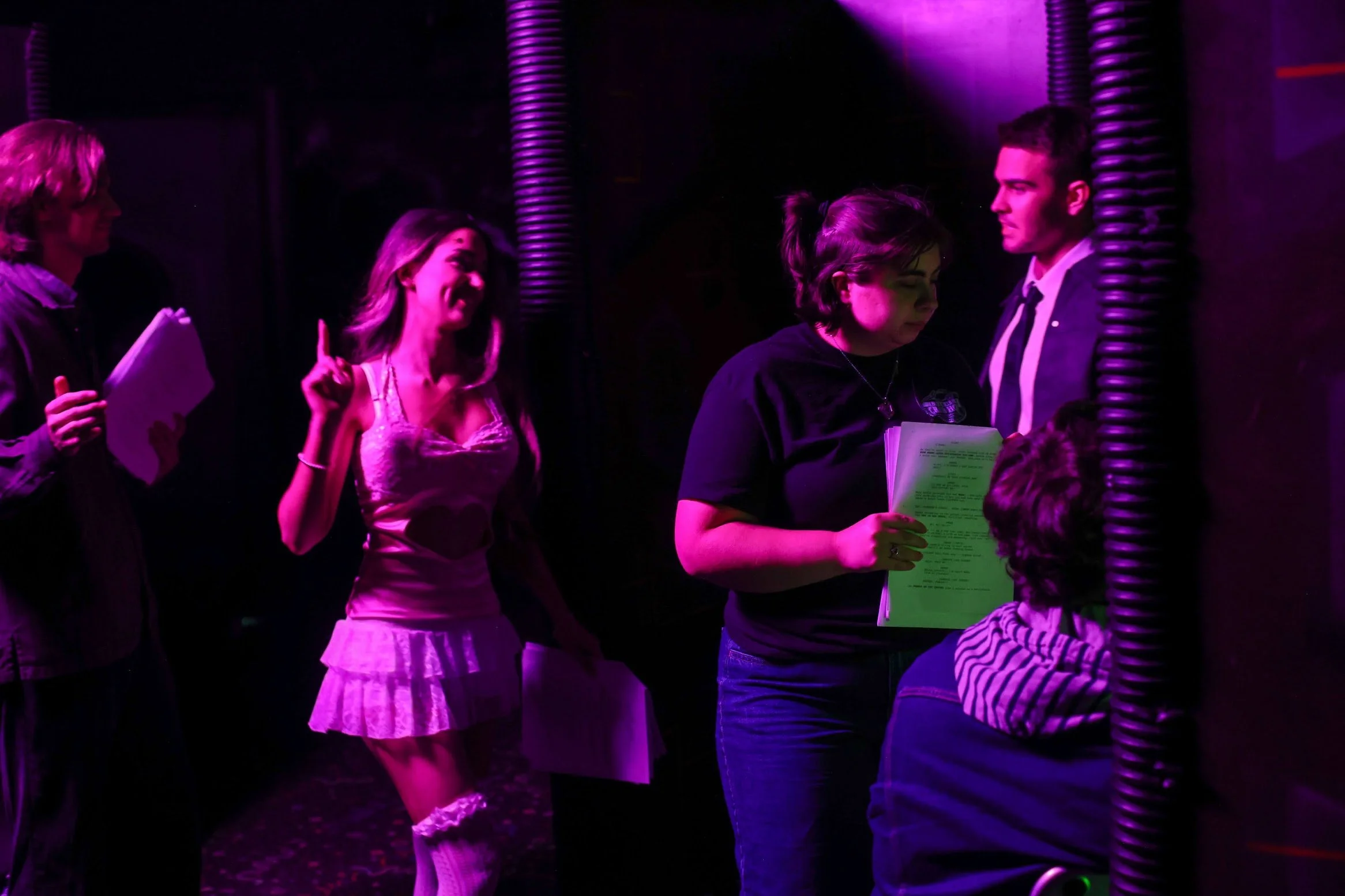
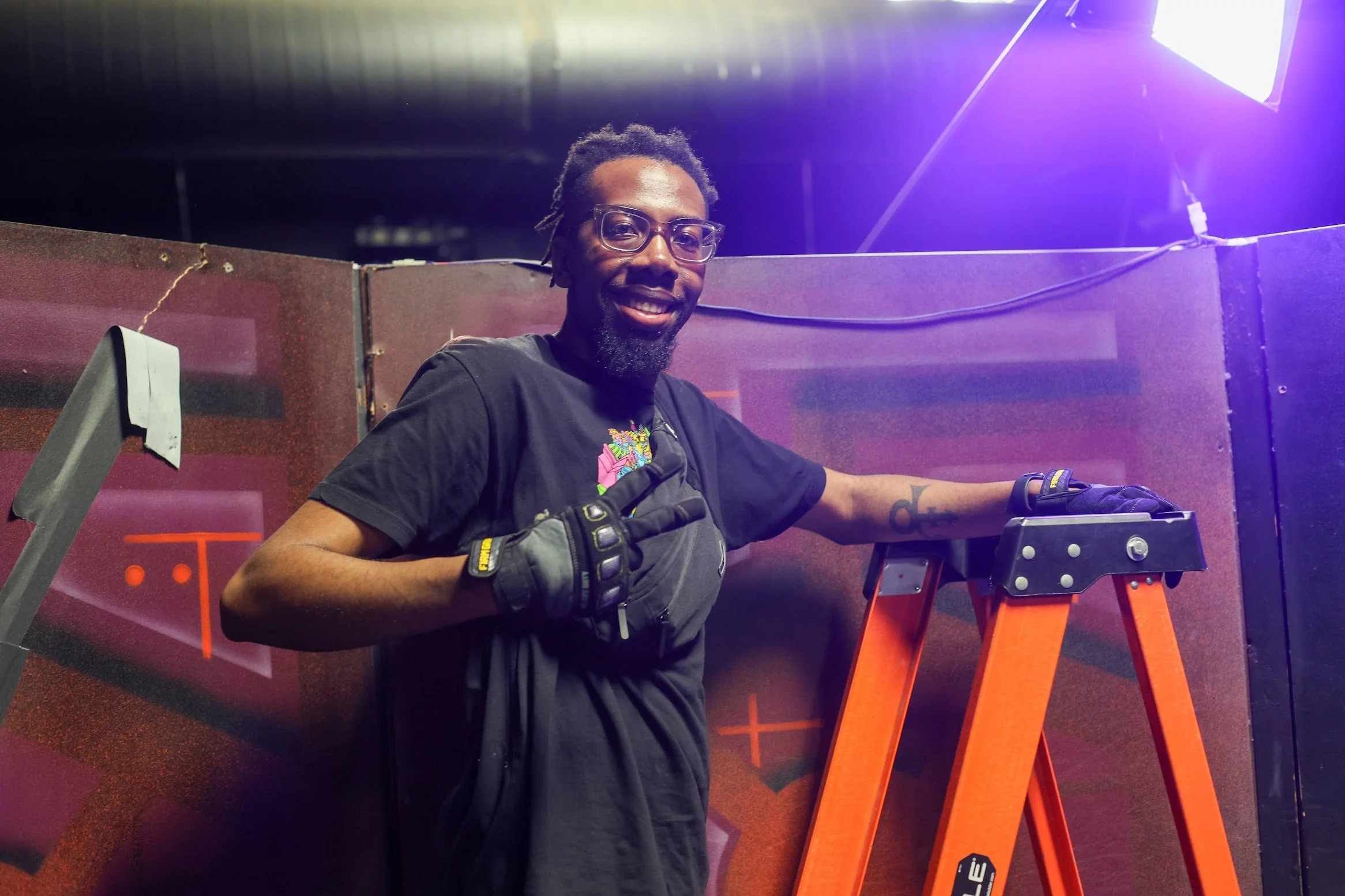
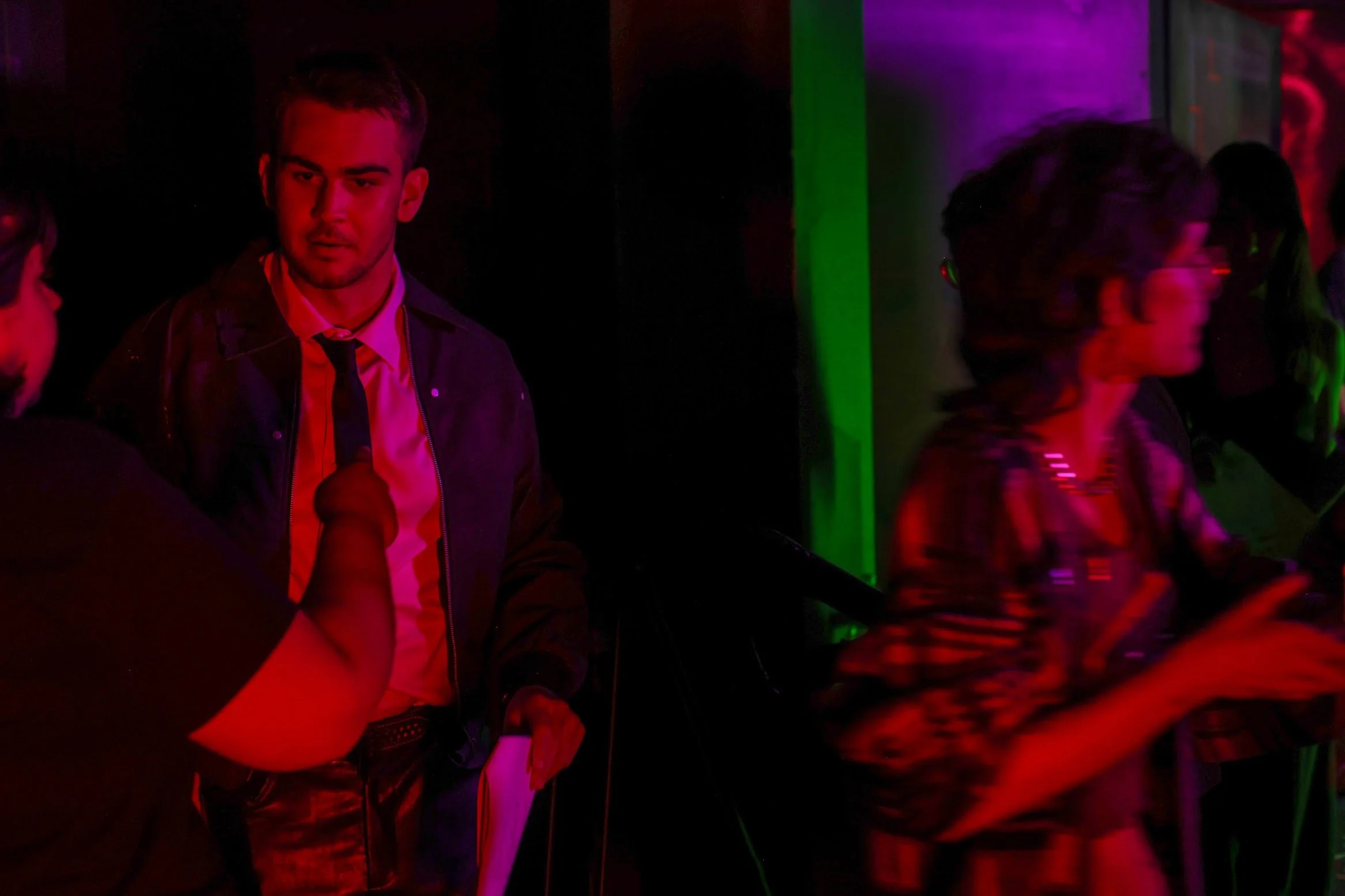
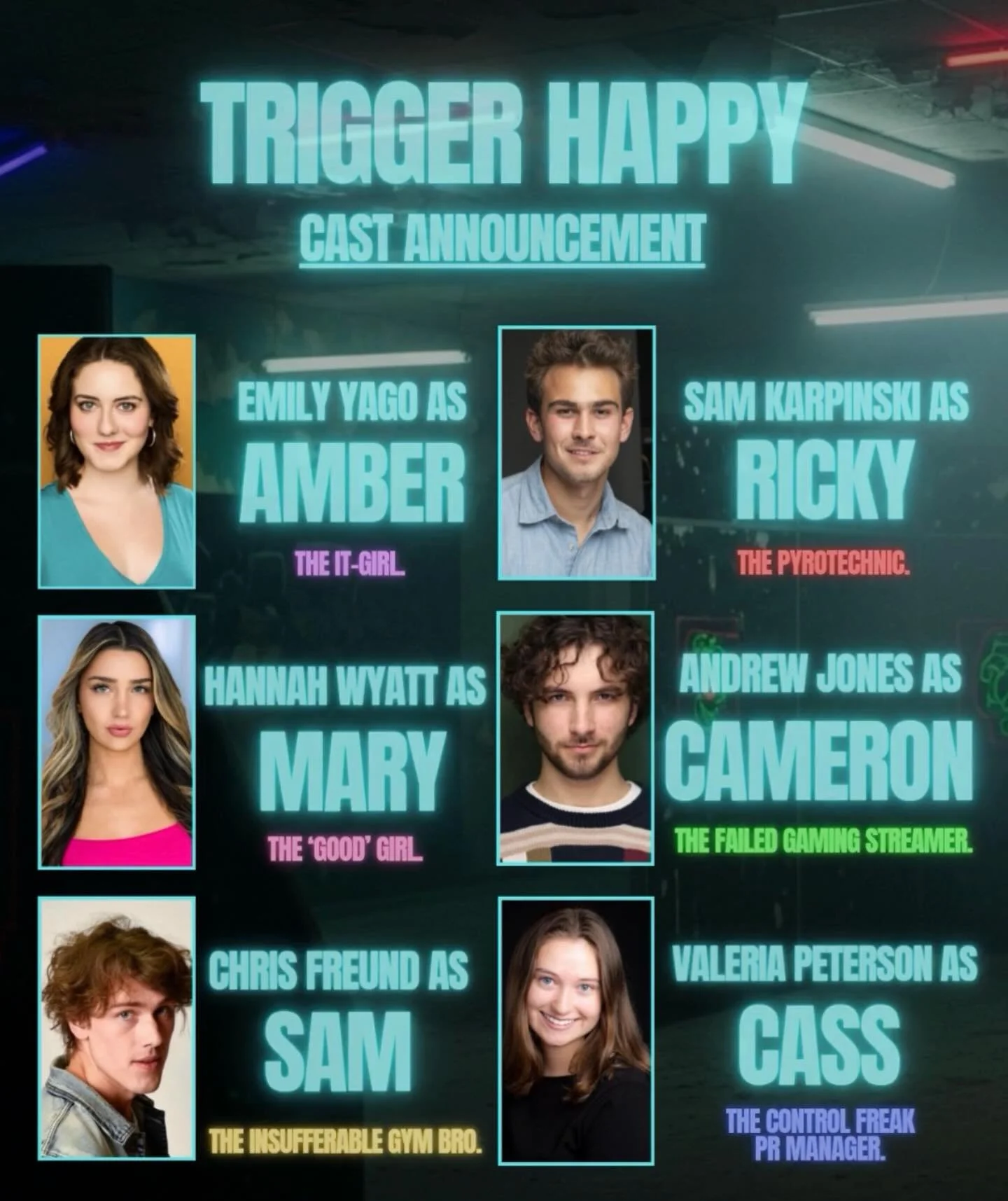
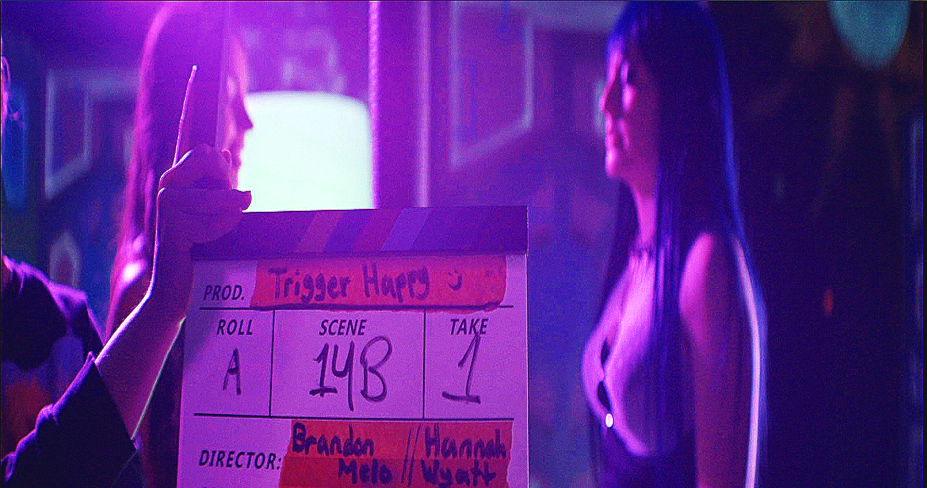
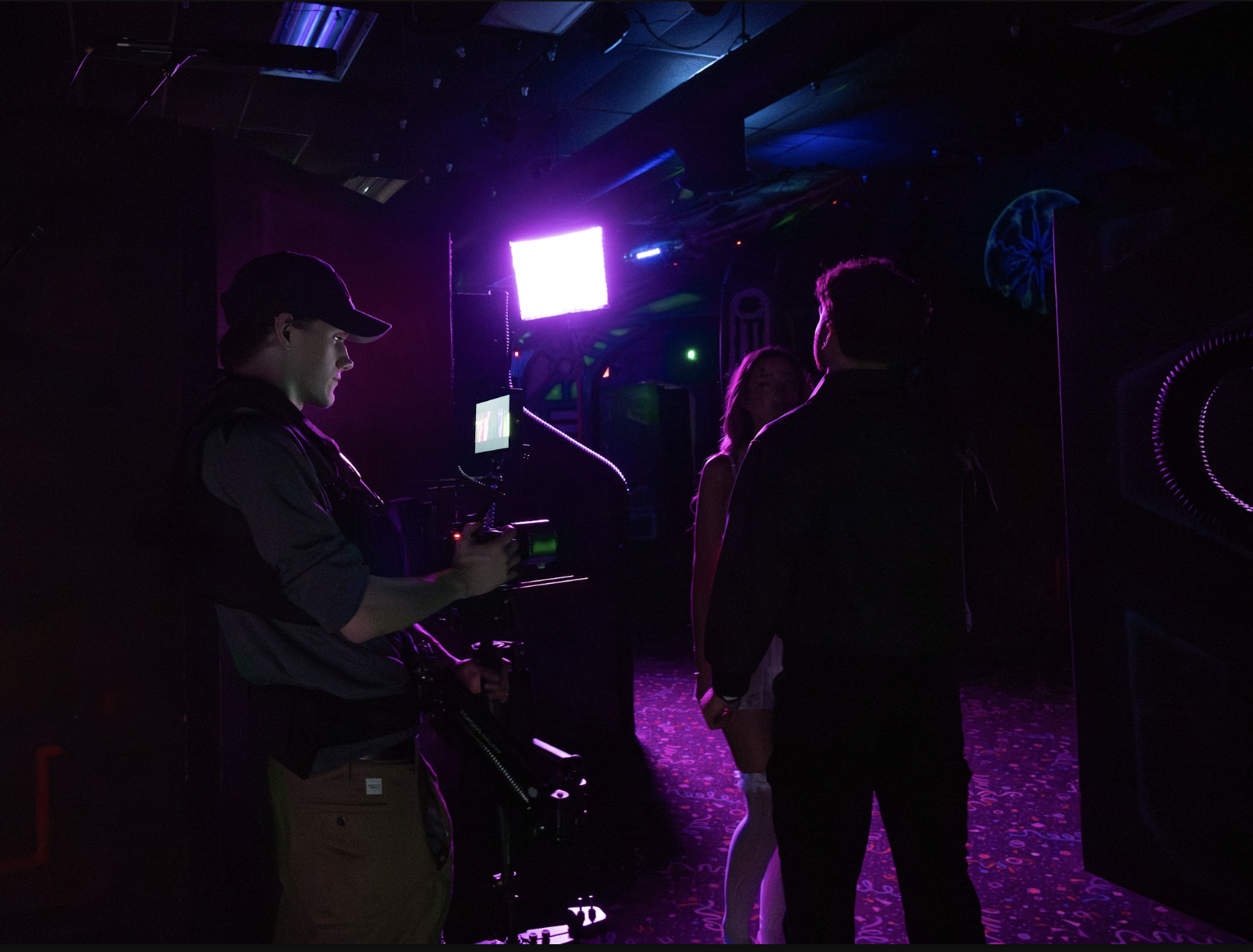
This is a proof-of-concept short I wrote, acted in, directed, and edited, alongside a talented crew of 40+ ambitious creatives as my senior thesis at Carnegie Mellon.
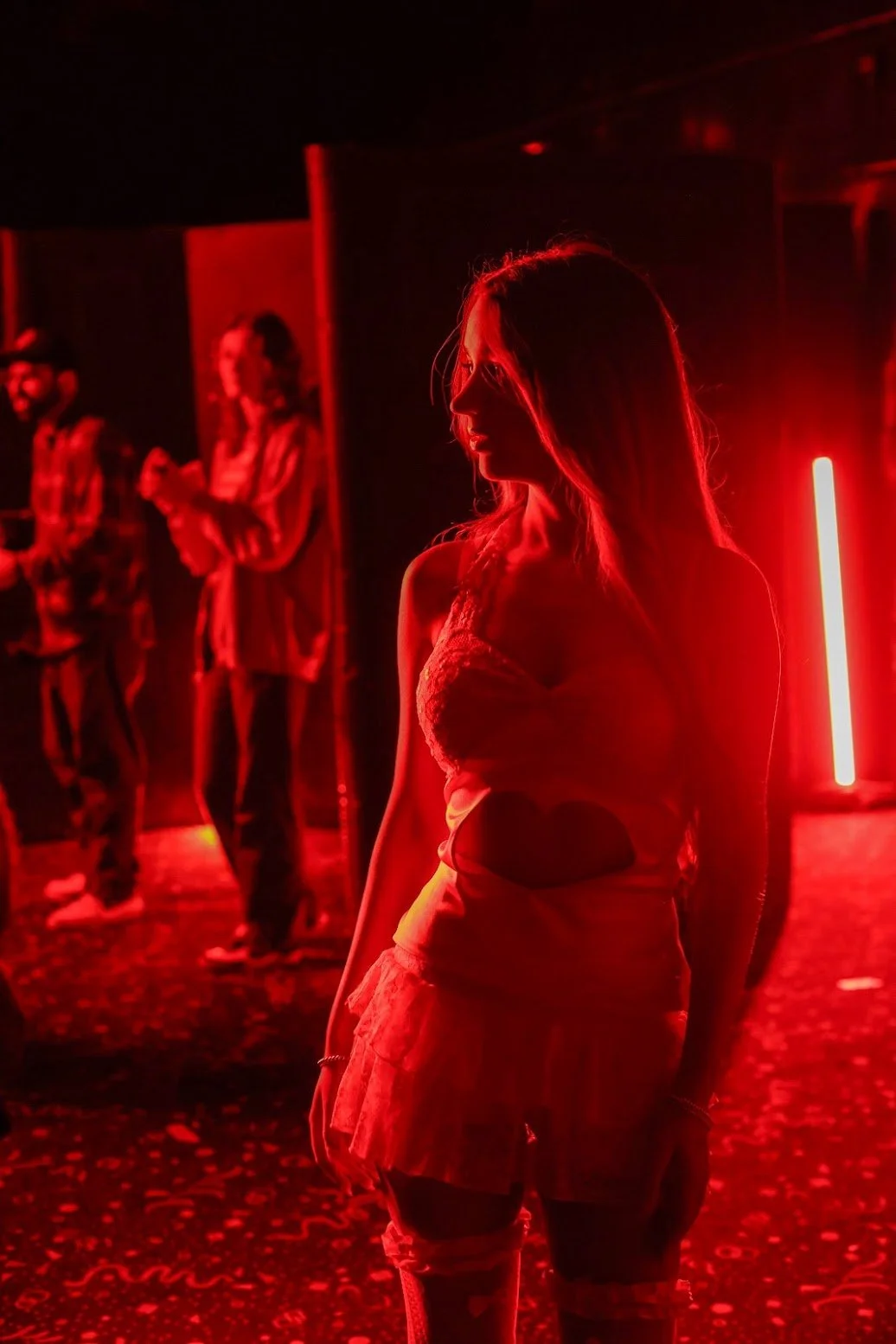
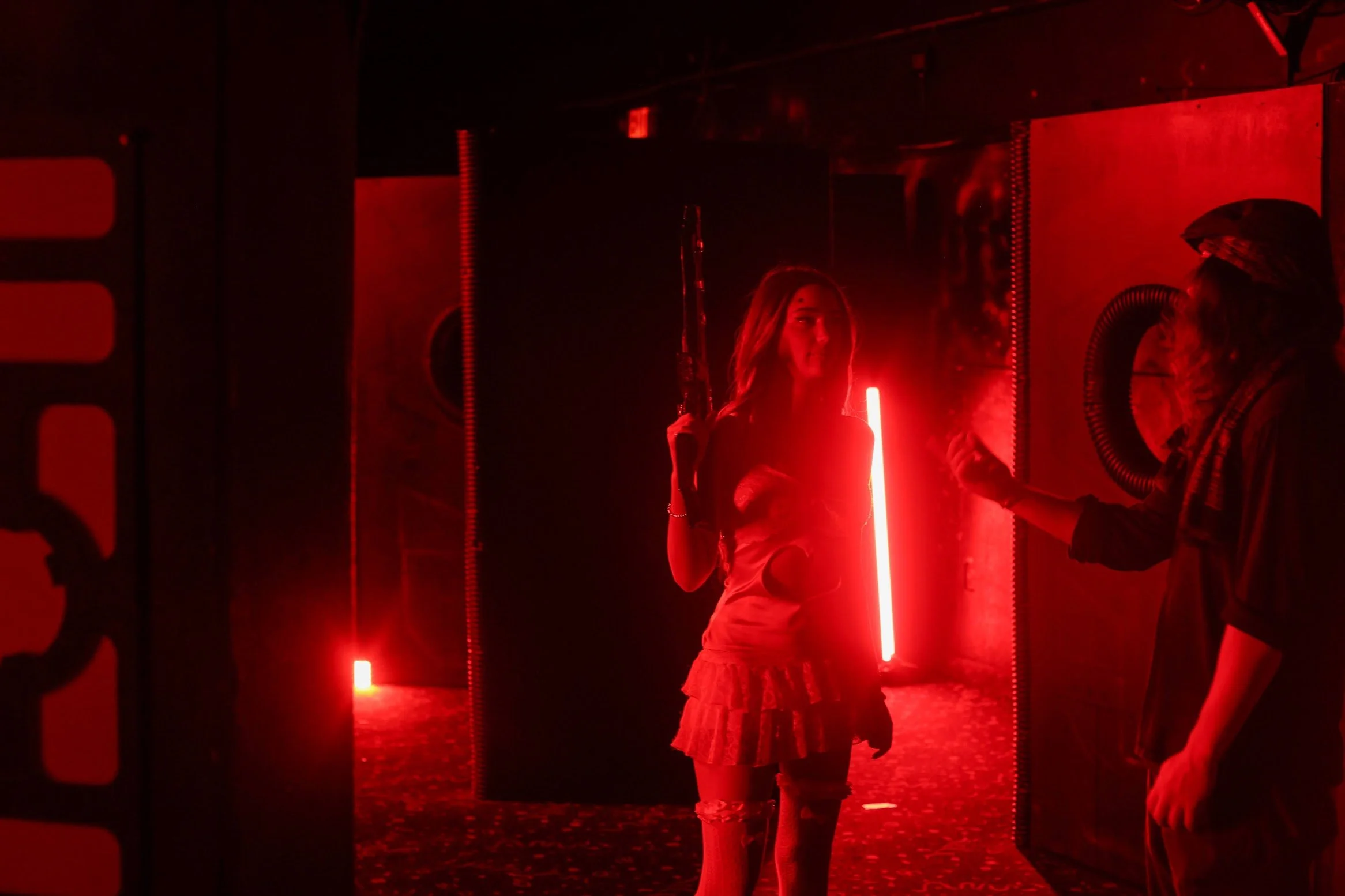
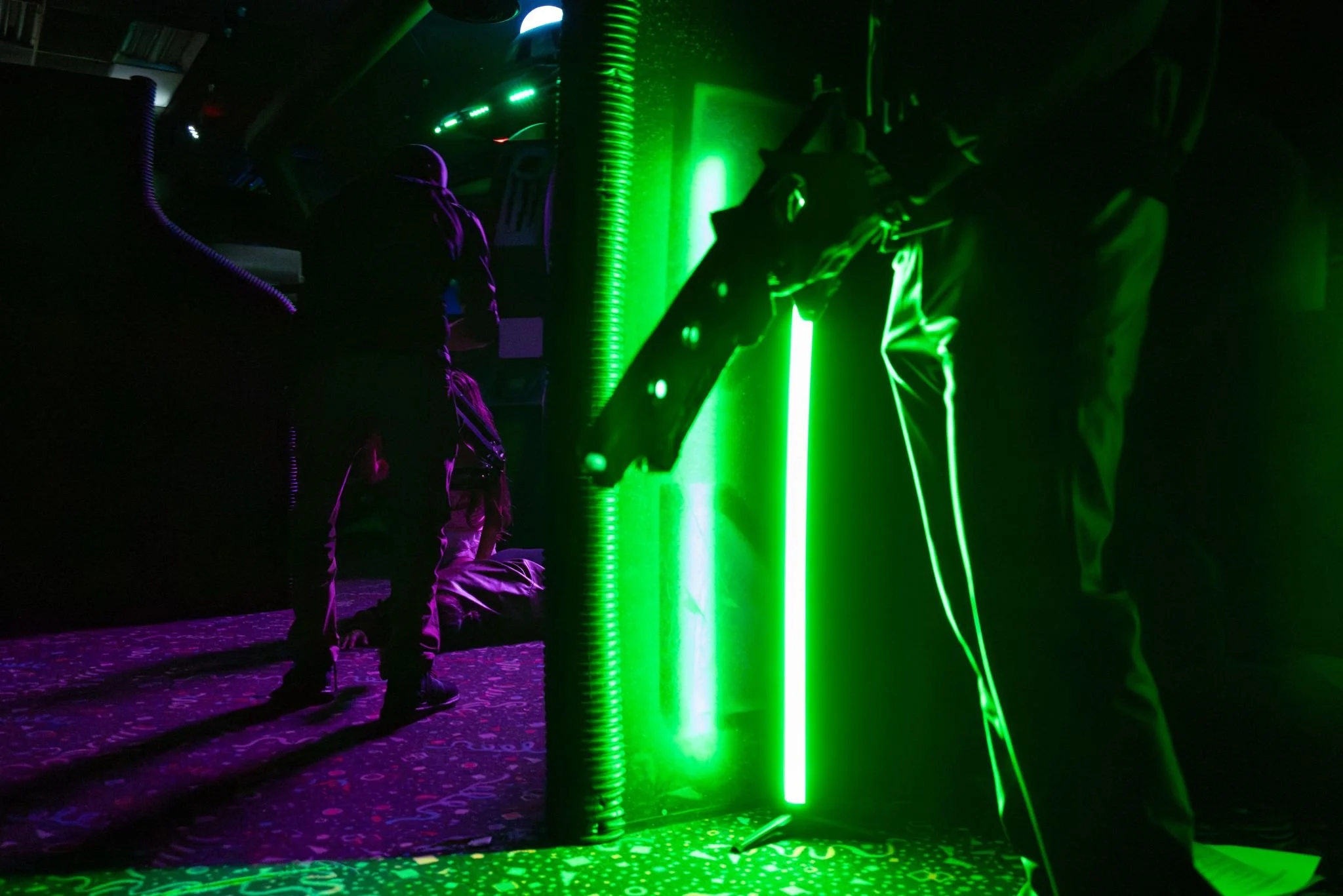
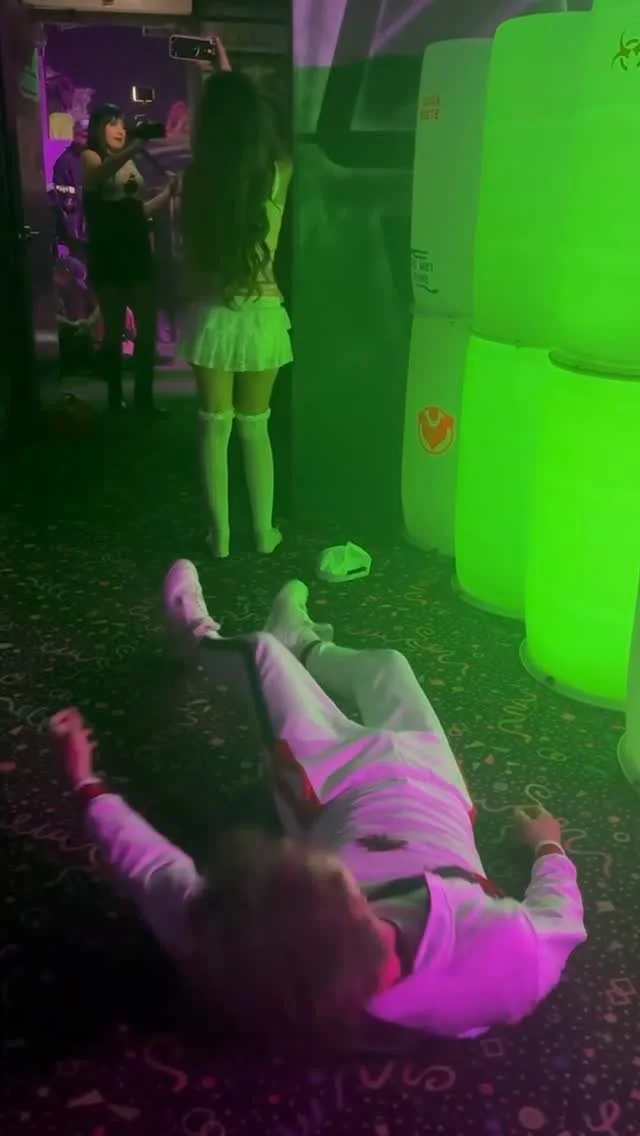
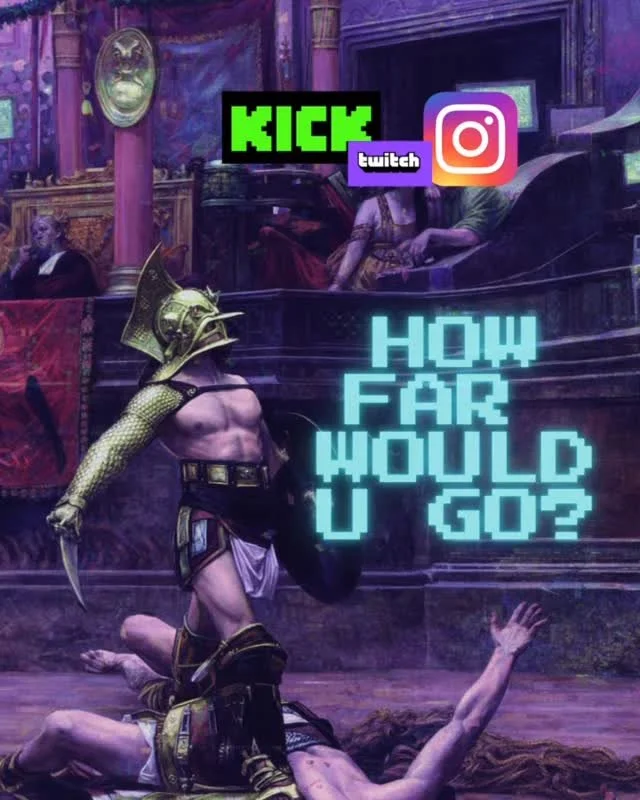
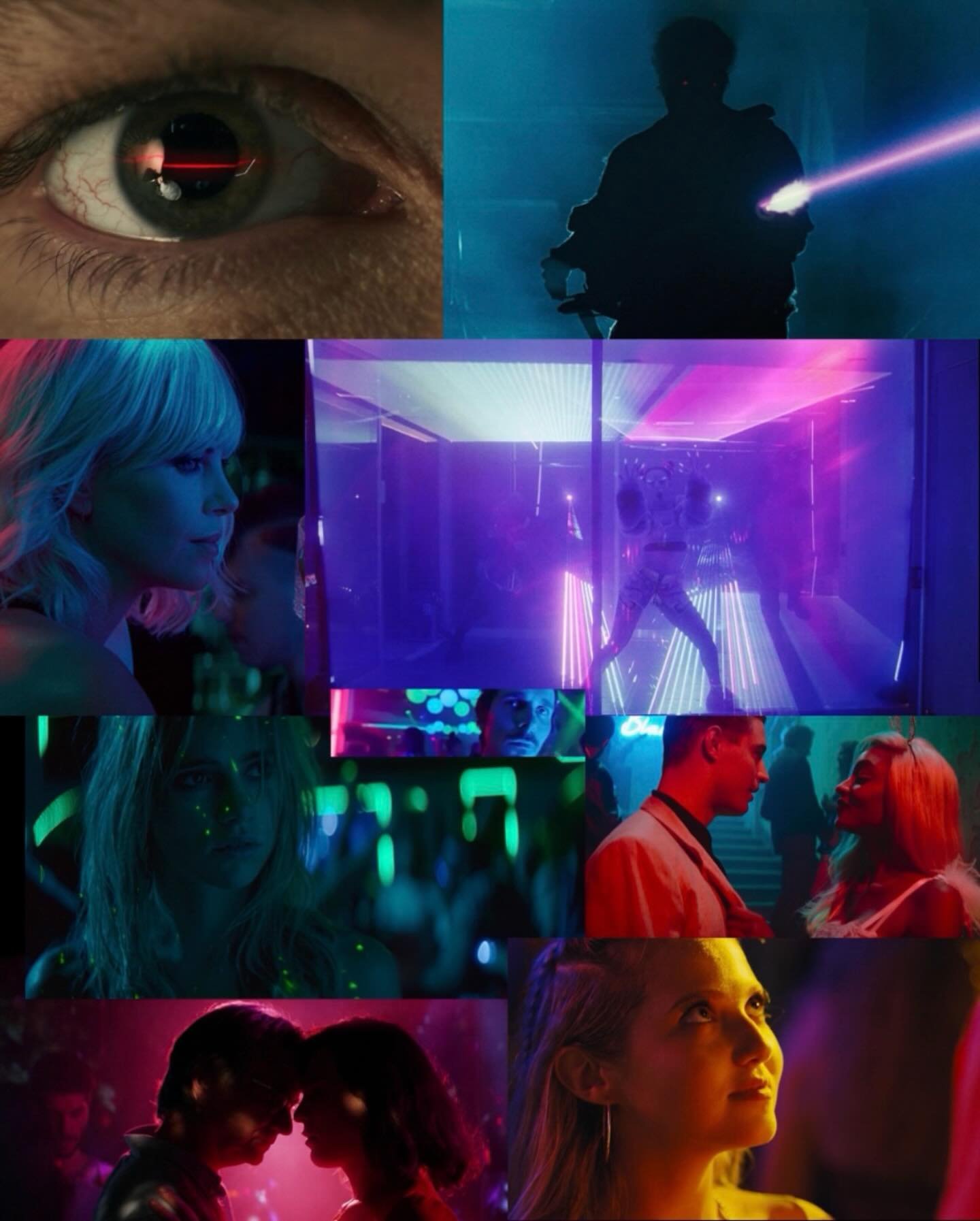
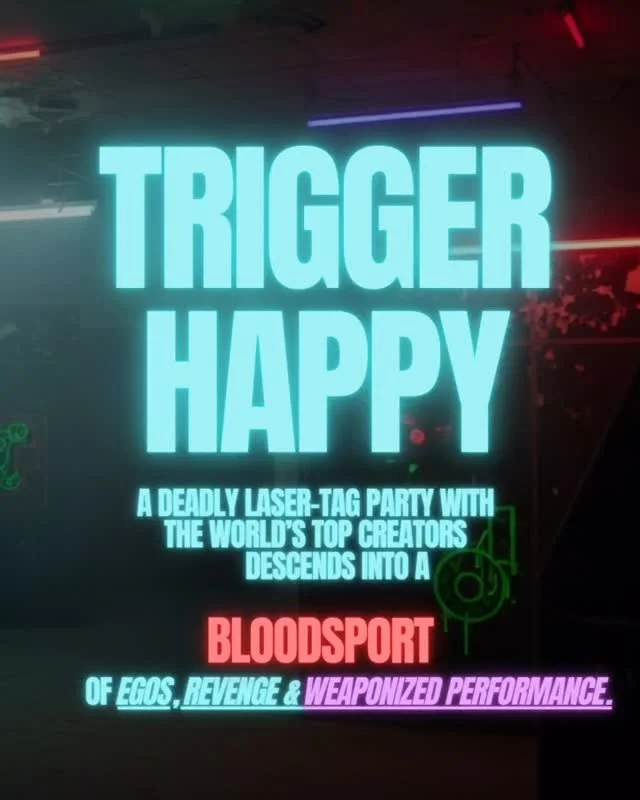
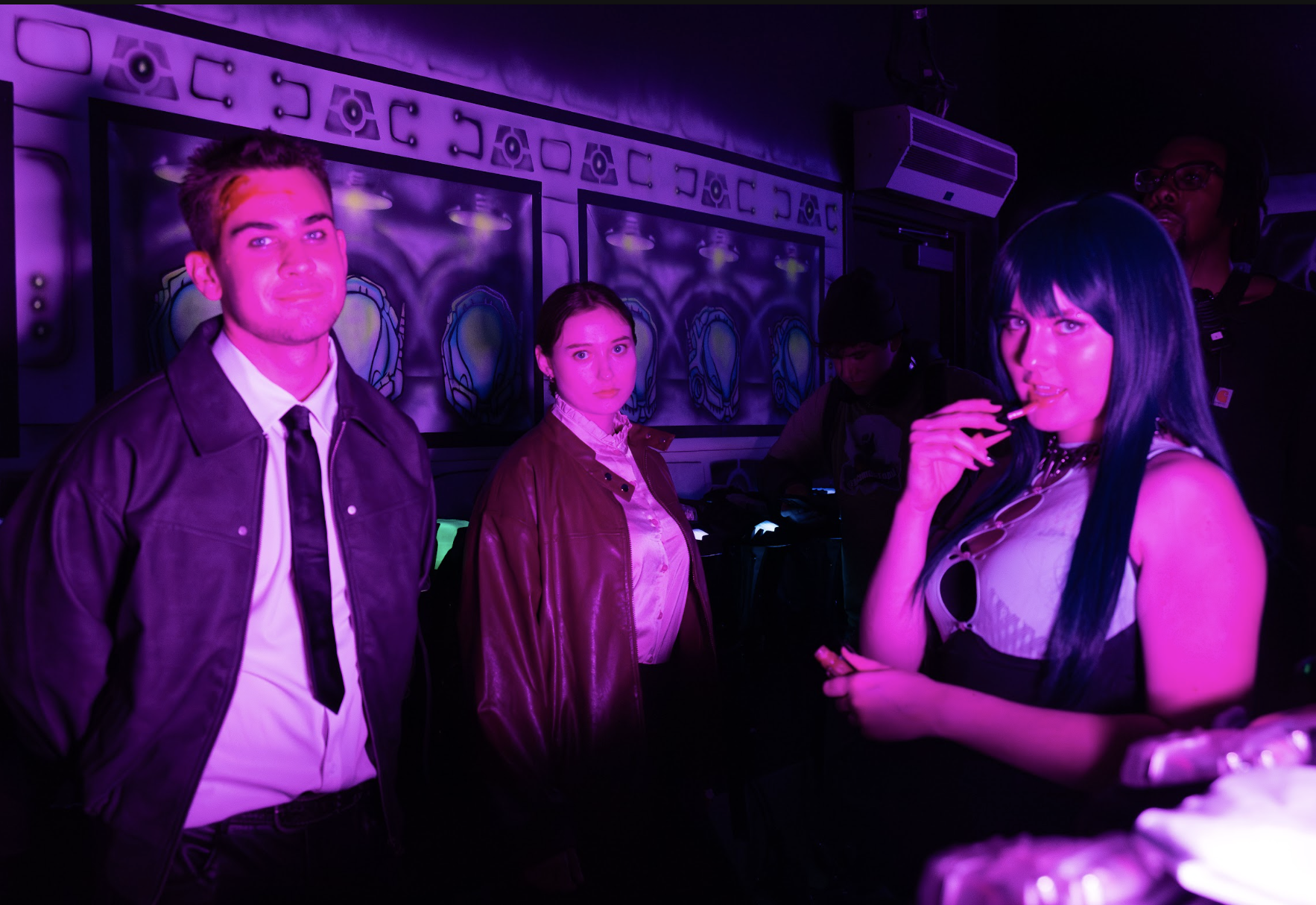
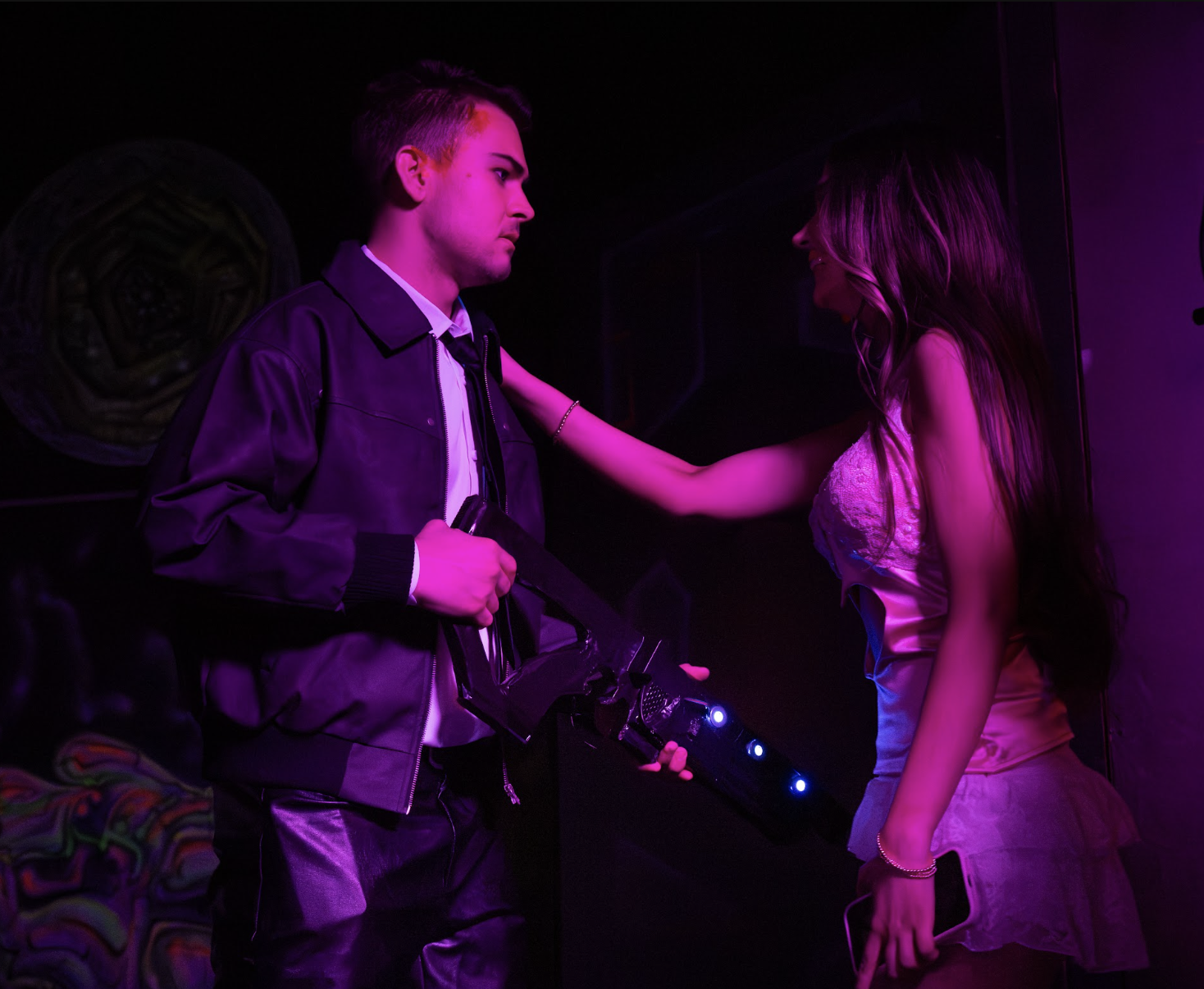
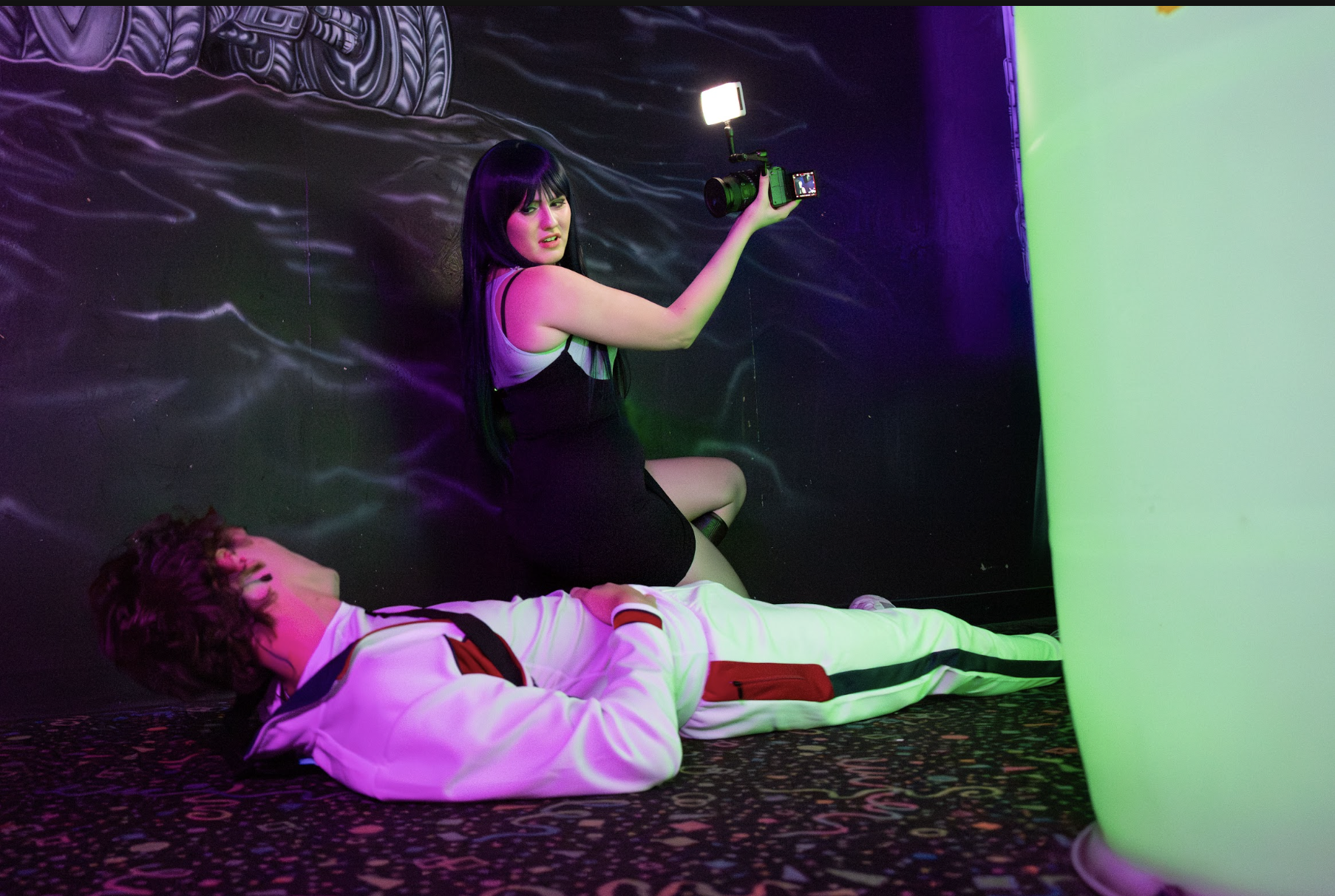
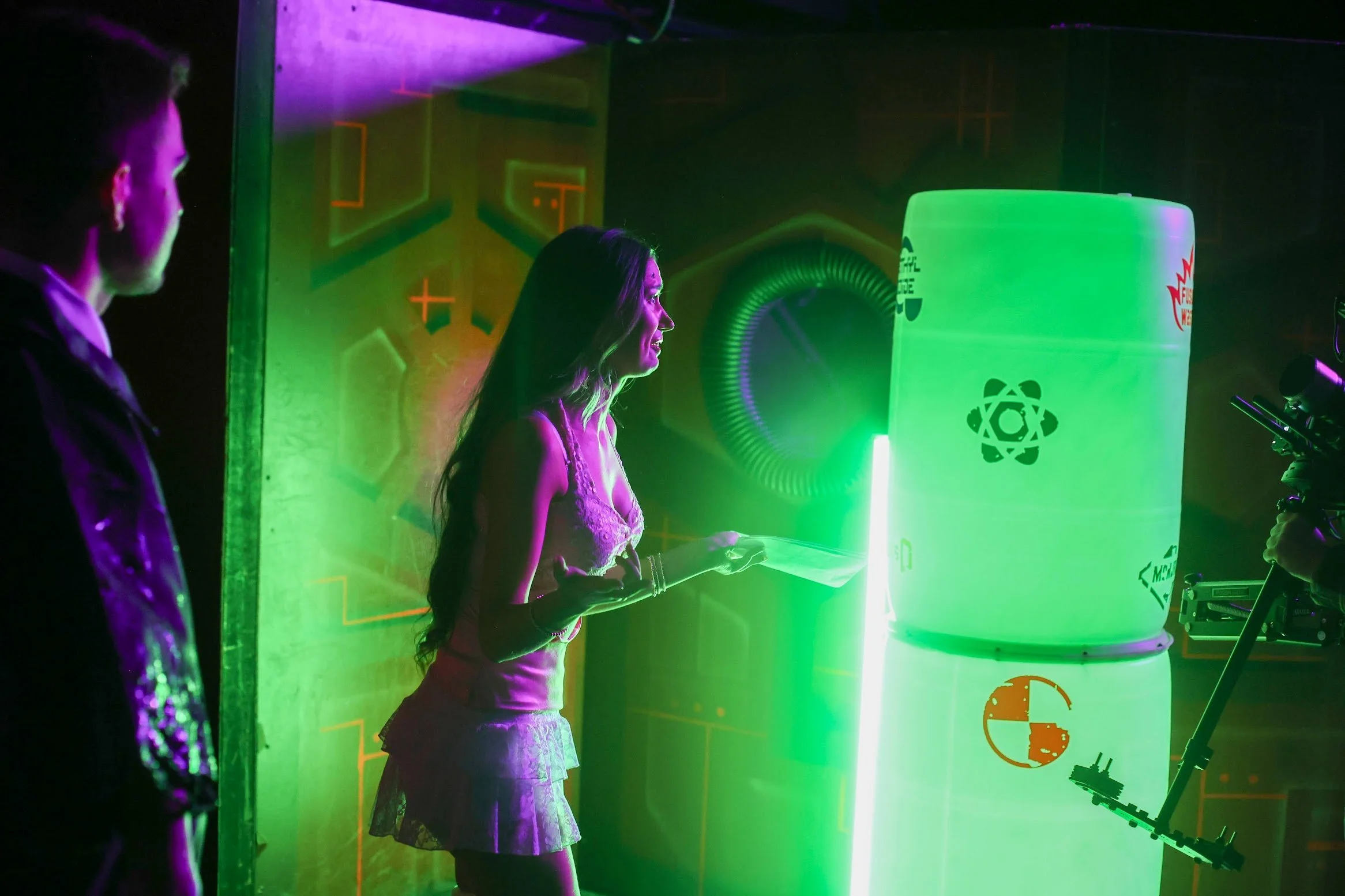
It’s about a laser-tag party, with the world’s top creators, where the guns are real, and every kill is livestreamed, turning the night into a neon bloodsport of fame, revenge, and weaponized performance.
I was initially inspired by a play at New Product Company, where I acted as a child-youtuber. It was compelling to explore the headspace of someone constantly performing online, unable to separate reality from their digital persona.
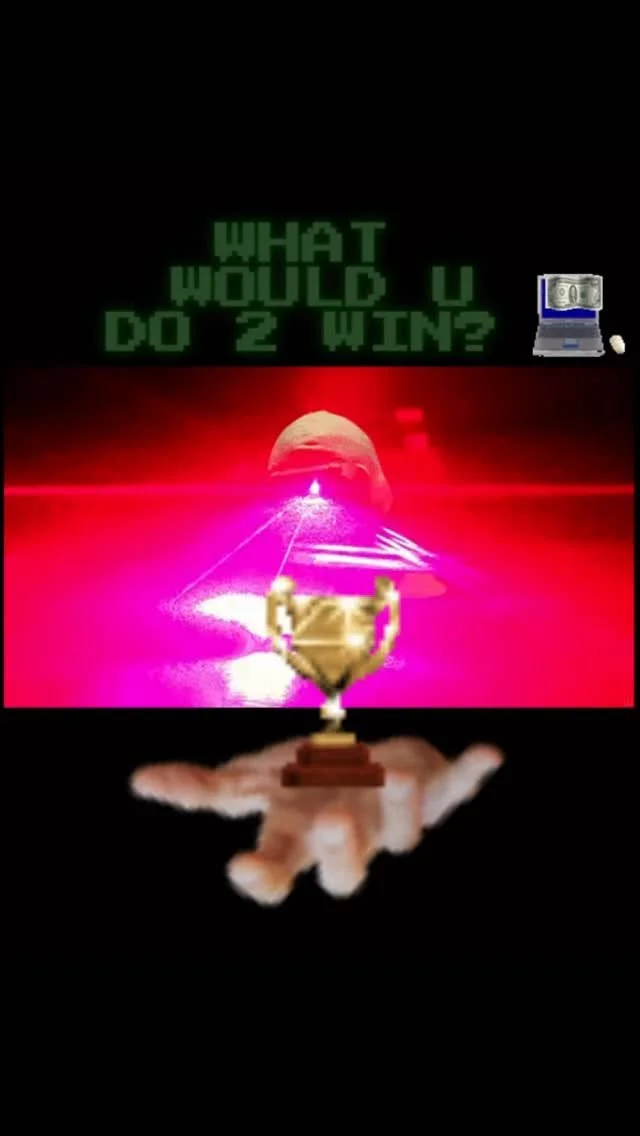
Through manipulative technology and characters always making the worst choices, the project examines how online viewership in a battle-royale can encourage violence and contort our perception of morality. It’s already won the (Pitch)burgh Film Competition & the Dietrich Humanities Award)
Trailer (short)
Special Thanks & Mentorship
This film would not have been possible without the guidance, mentorship, and support of the following educators, filmmakers, and industry professionals.
Special Thanks to the Sylvia & David Steiner Film Fund
Trigger Happy was made possible in part through the generous support of the Sylvia & David Steiner Film Fund at Carnegie Mellon University. The Fund empowers student filmmakers to bring ambitious screen-based stories to life, and its support played a meaningful role in helping this project move from script to screen. (This program also supported the first film I acted/directed in "DUET"!)
I am incredibly grateful for the fund's commitment to emerging filmmakers and for investing in student voices. Their support helped make the production of Trigger Happy possible and provided an opportunity to tell this story on a larger scale than ever imagined.
My Roles
-
Developed the concept, screenplay, characters, and story structure.
-
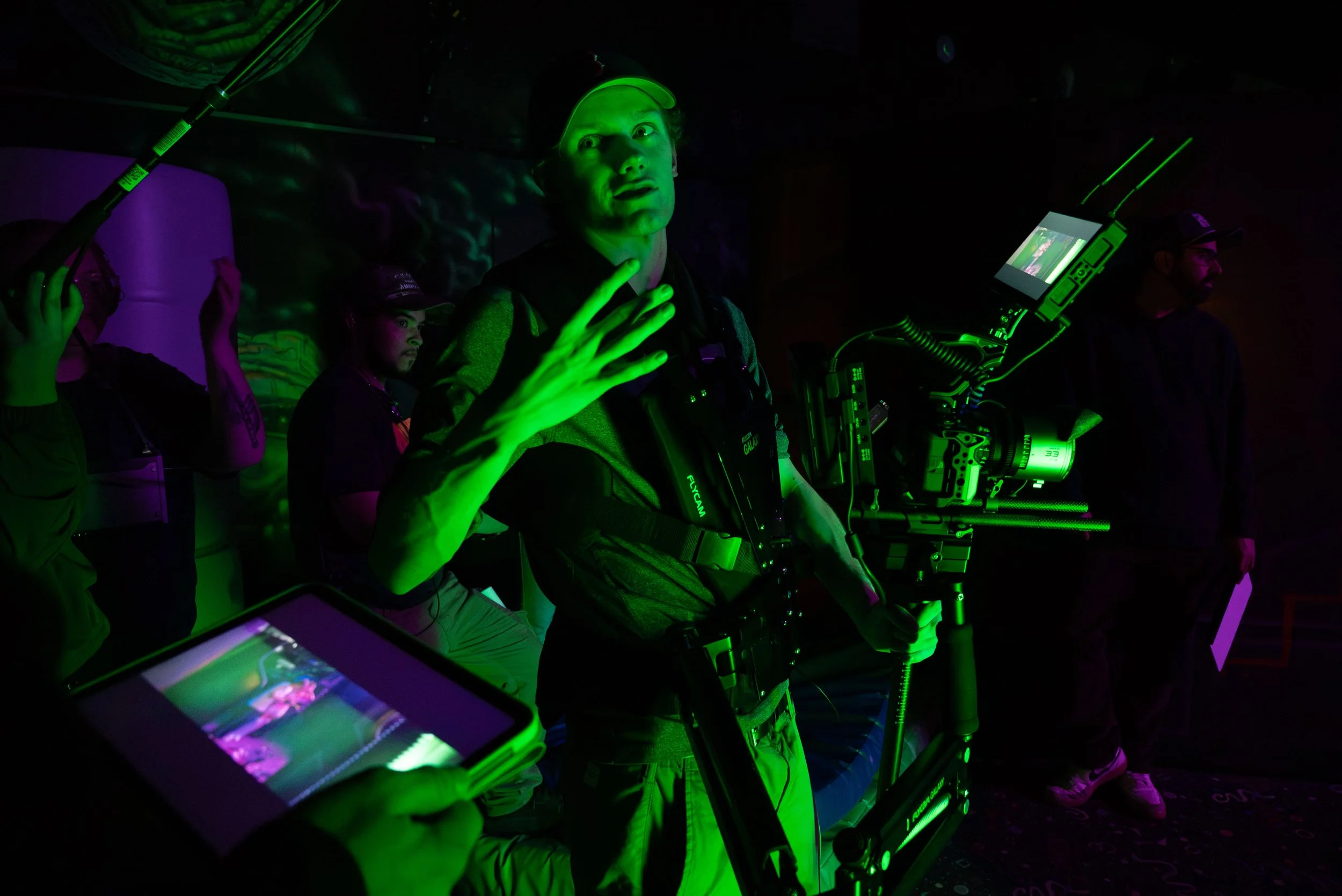
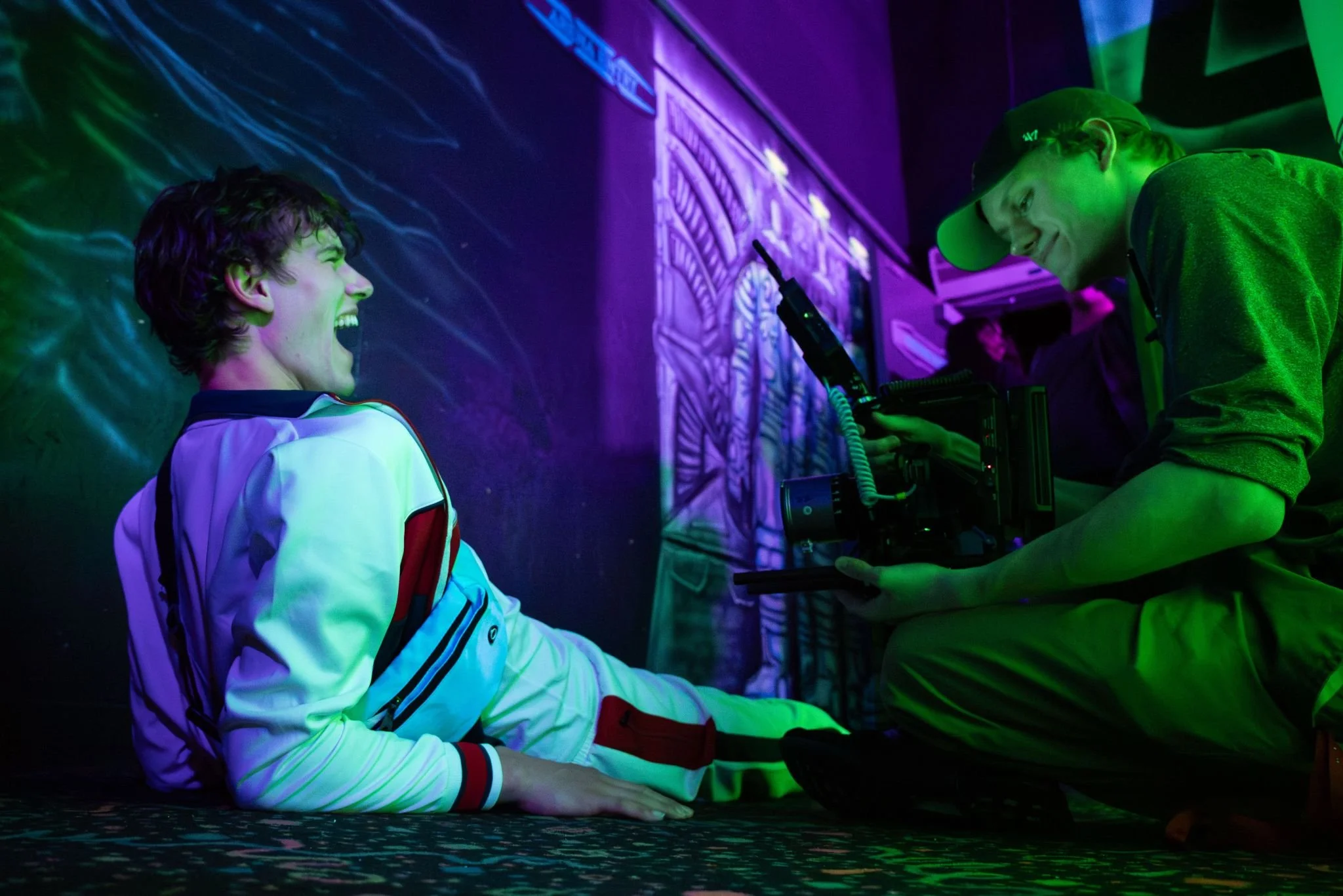
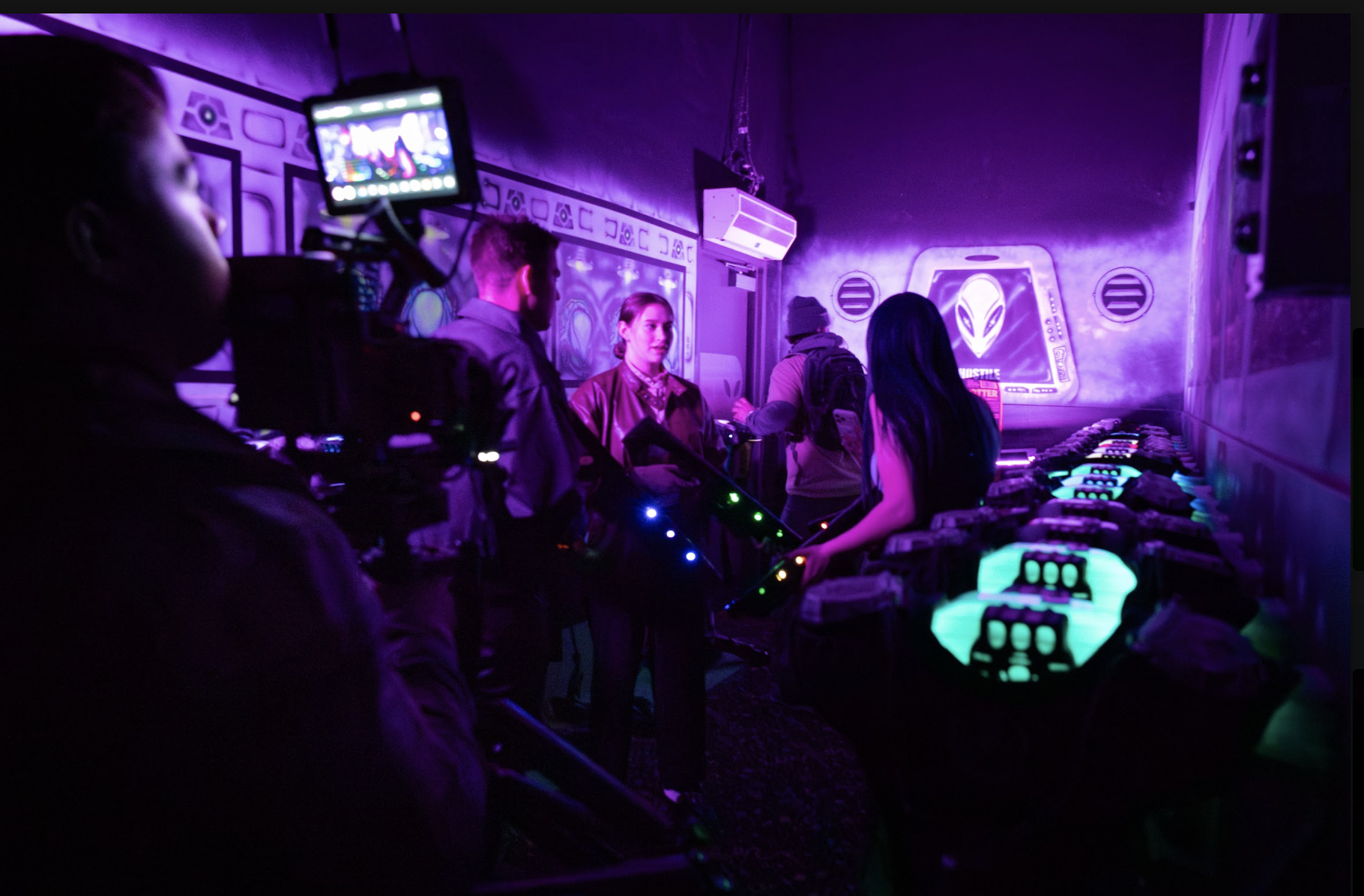
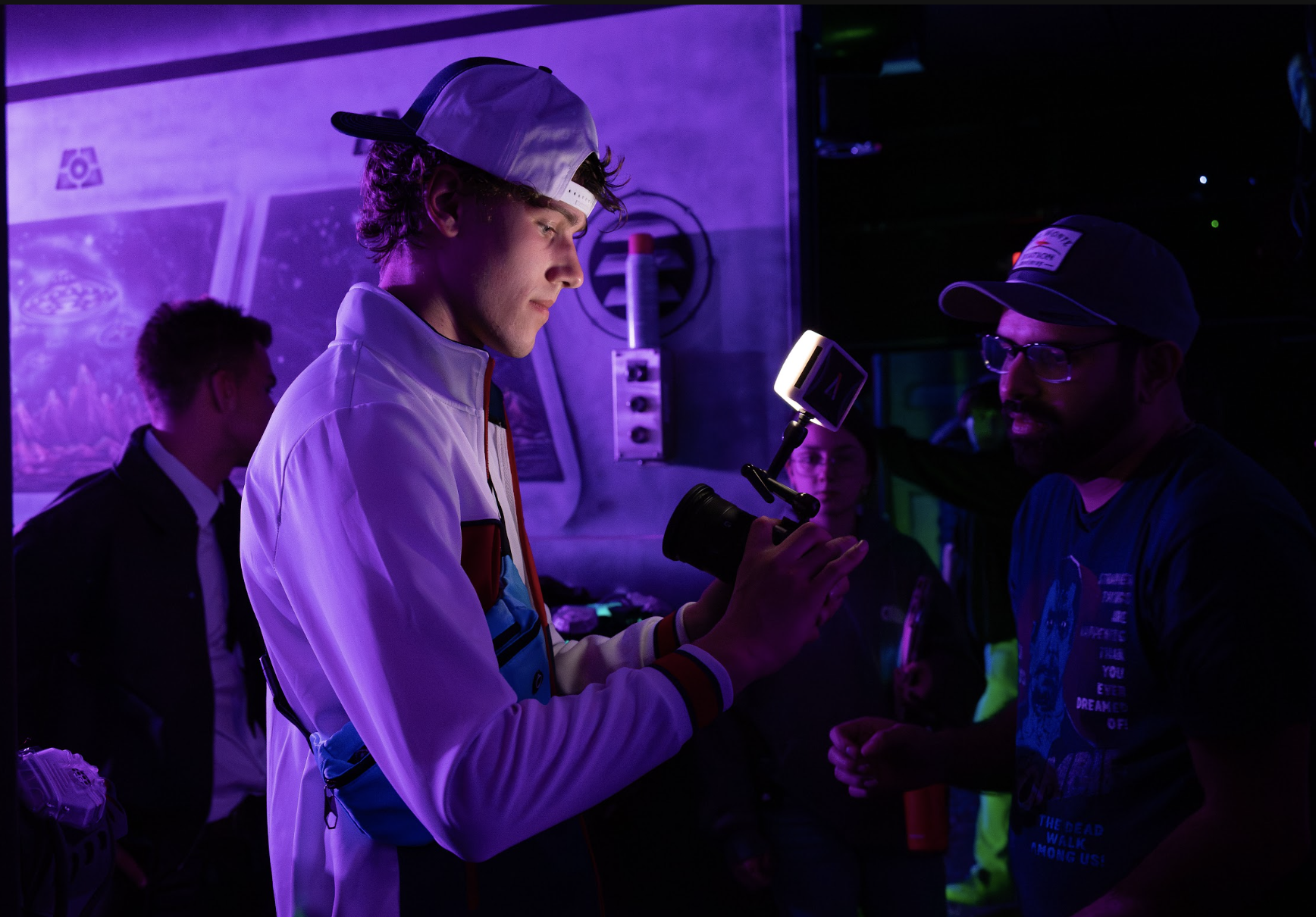
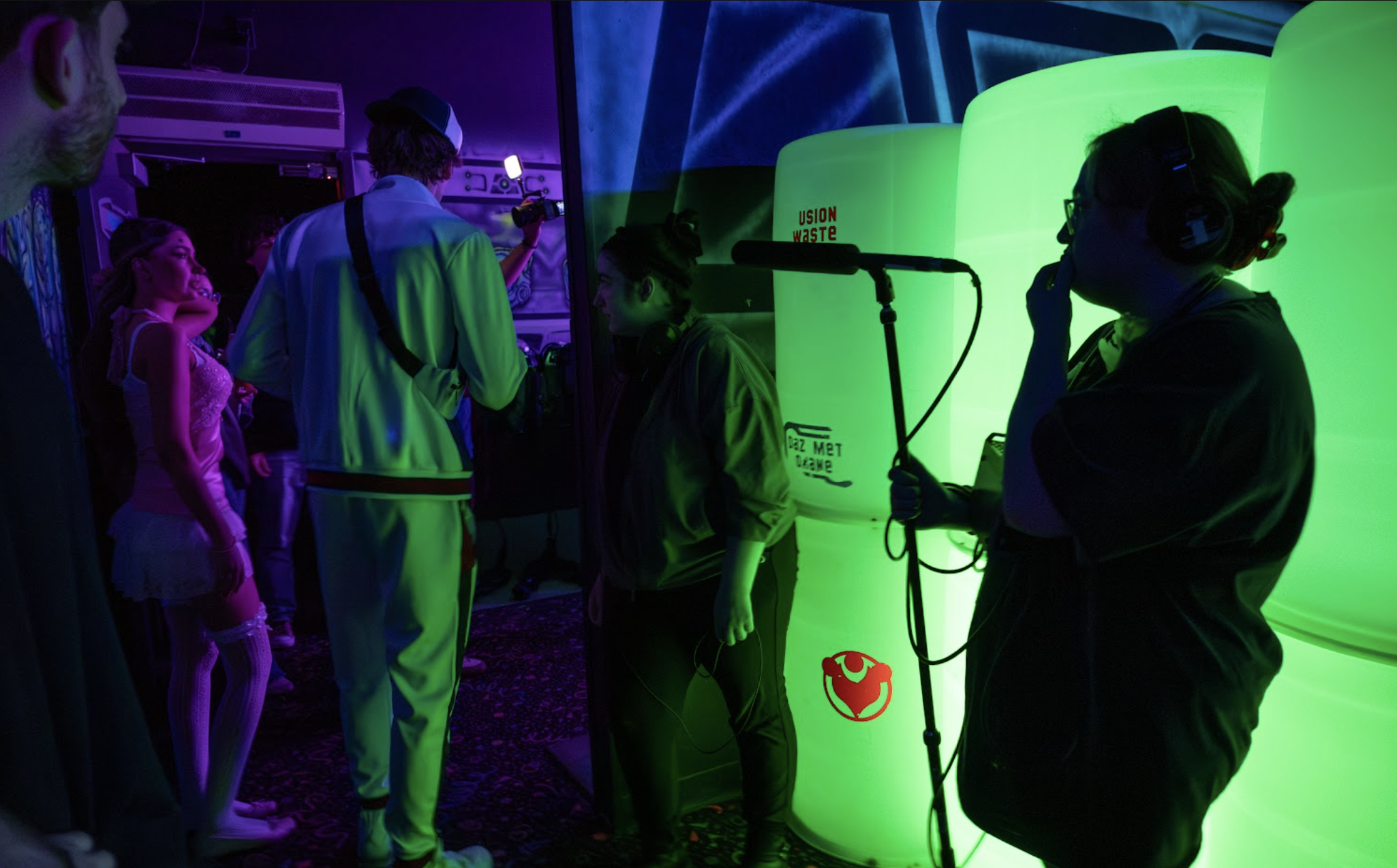
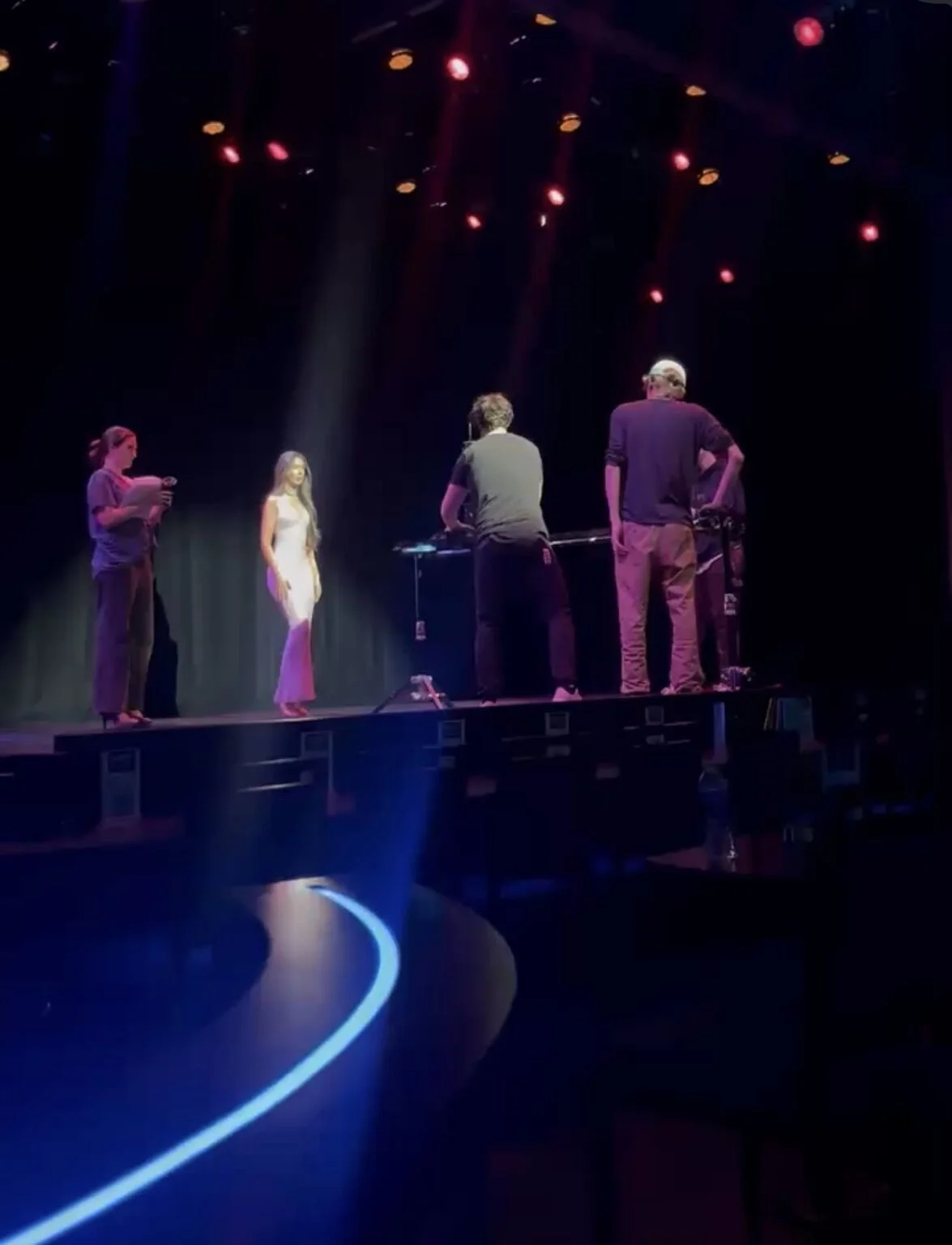
Led a 40+ person cast and crew, collaborated with department heads, directed performances, and oversaw the creative vision from pre-production through post.
-
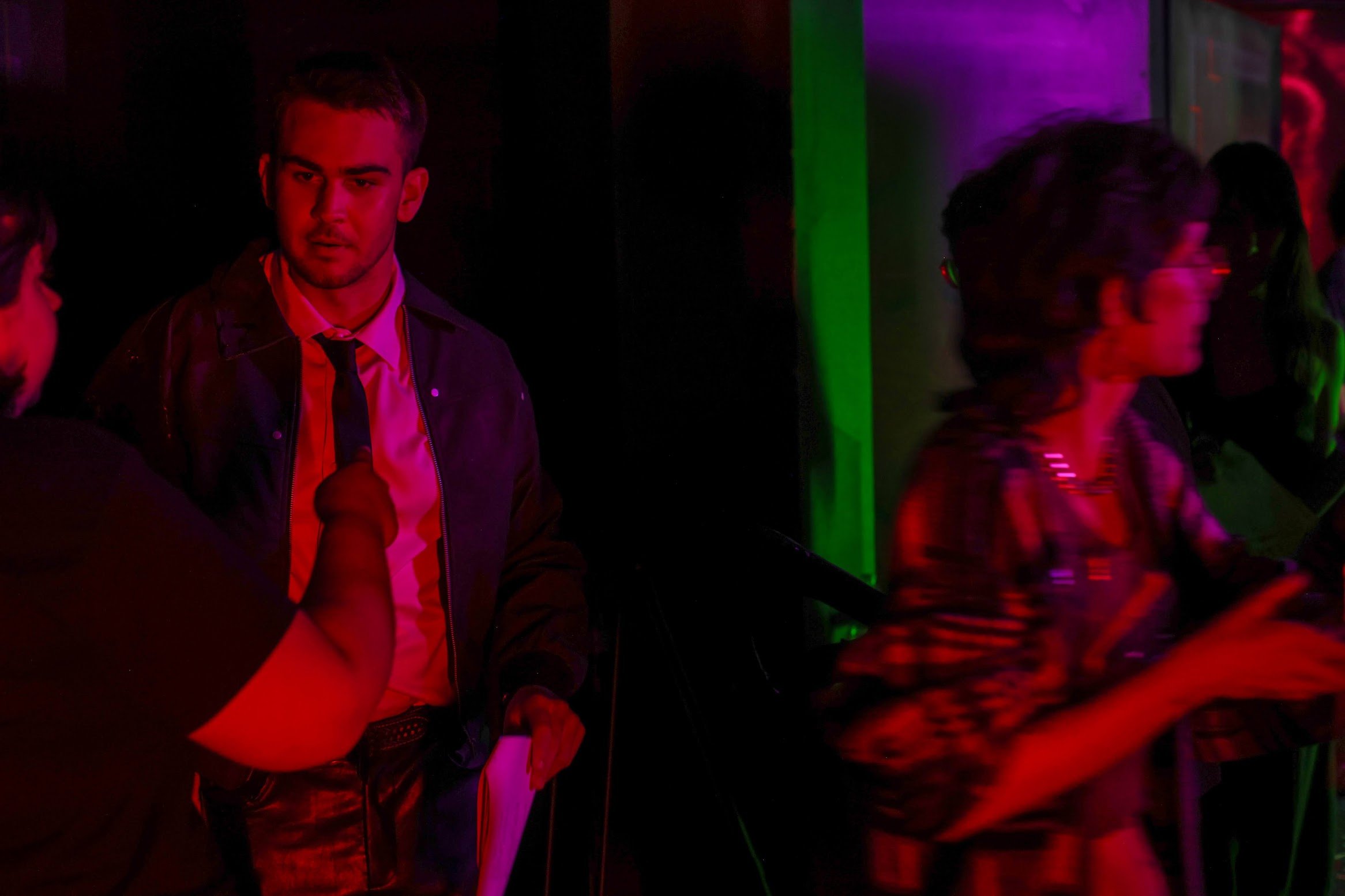
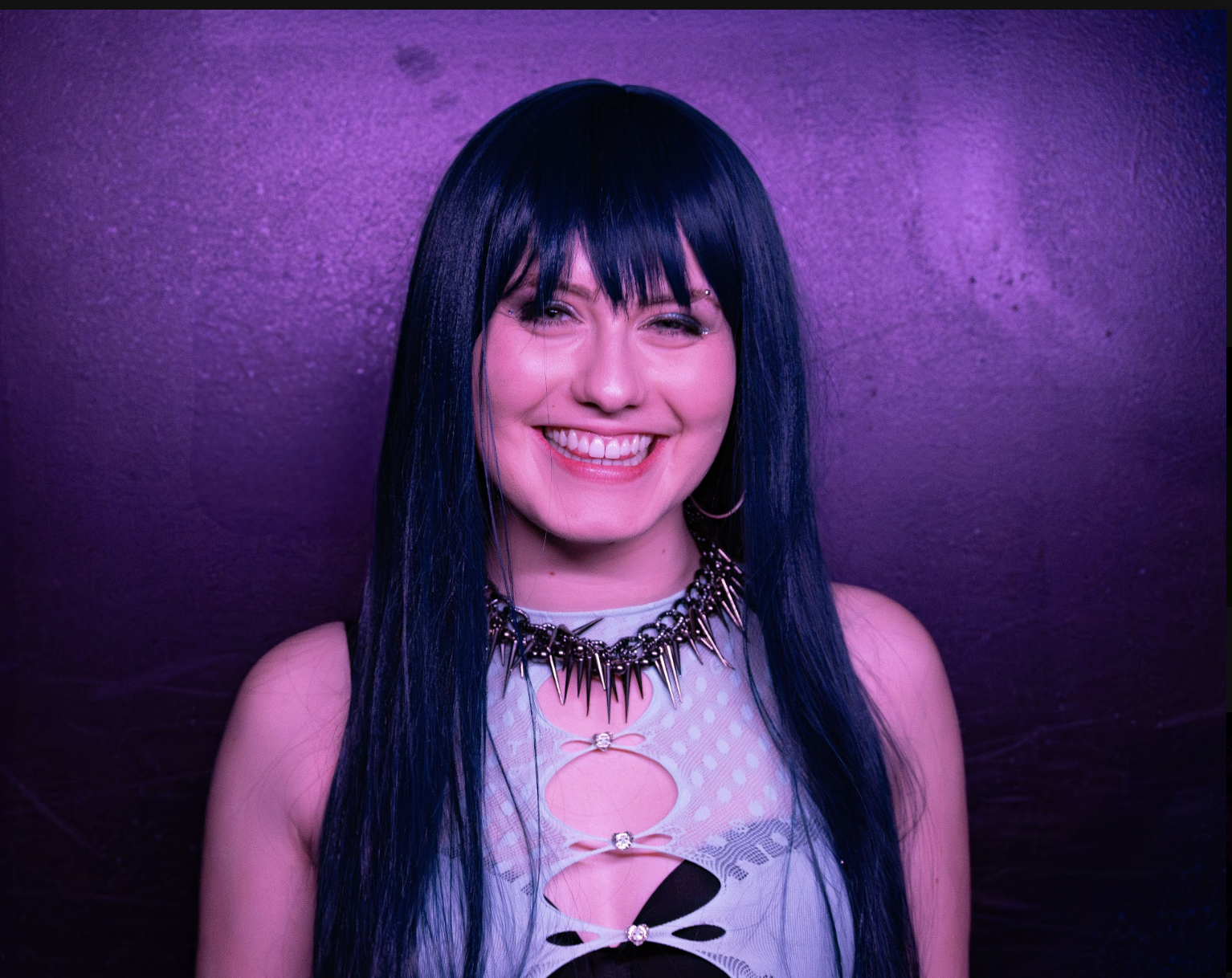
Performed the film's central antagonist while simultaneously directing production.
-
Managed post-production, assembled the final cut, performed sound synchronization, pacing adjustments, and narrative refinement.
Created laser effects, livestream interfaces, screen replacements, motion-tracked composites, and other digital enhancements.
-
Secured funding through grants, coordinated logistics, and helped oversee production from development through completion.
The Film! (Rough Cut)

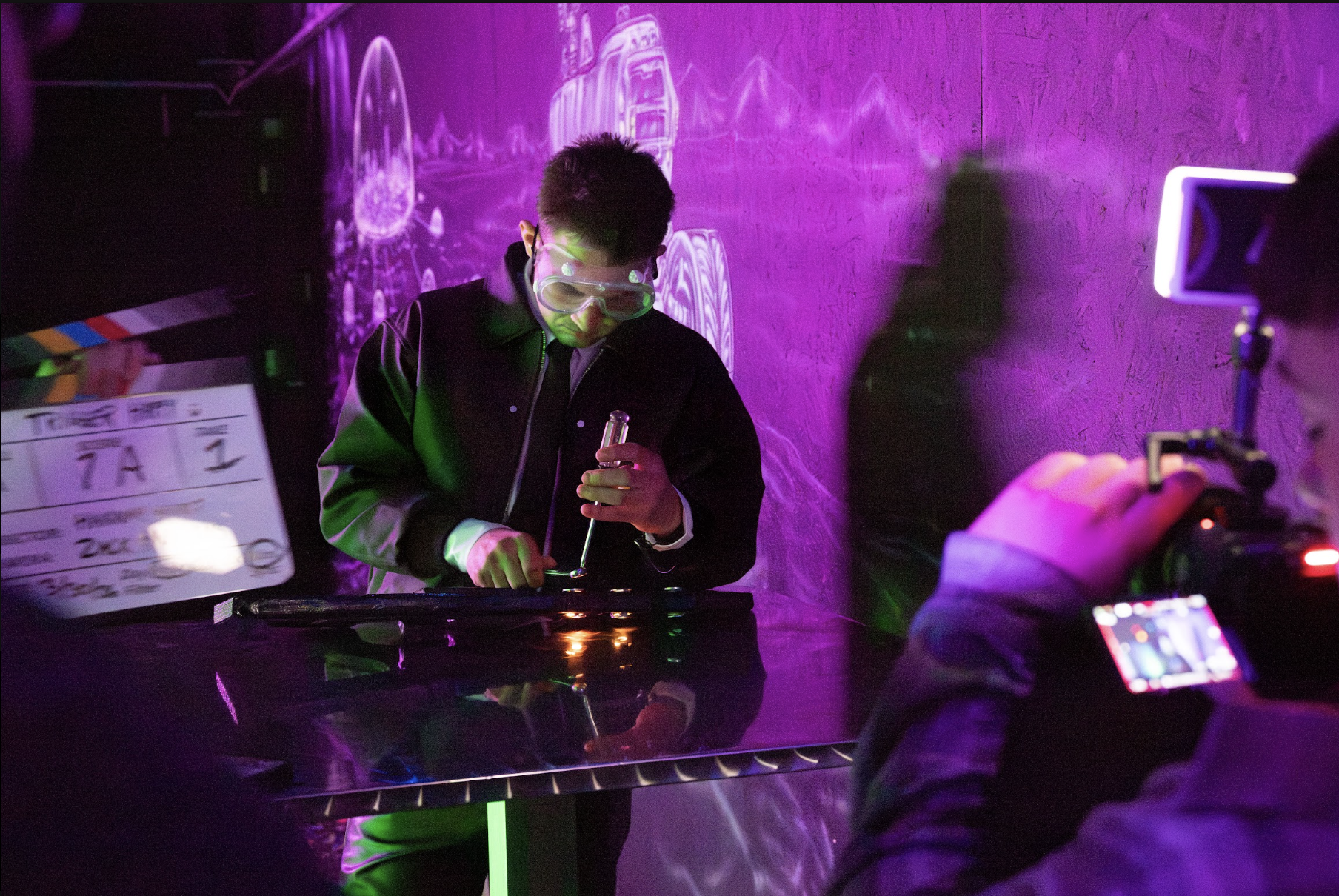
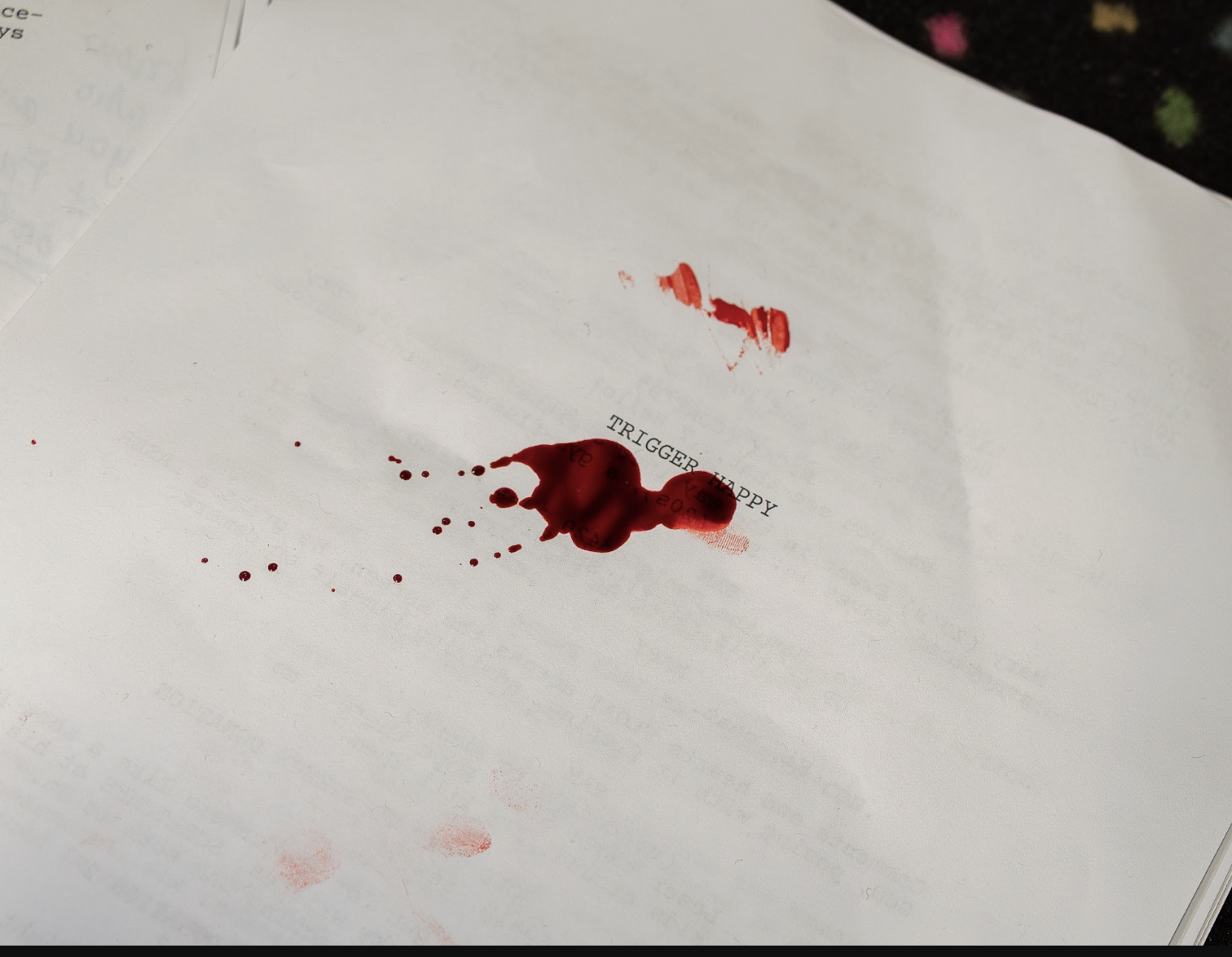
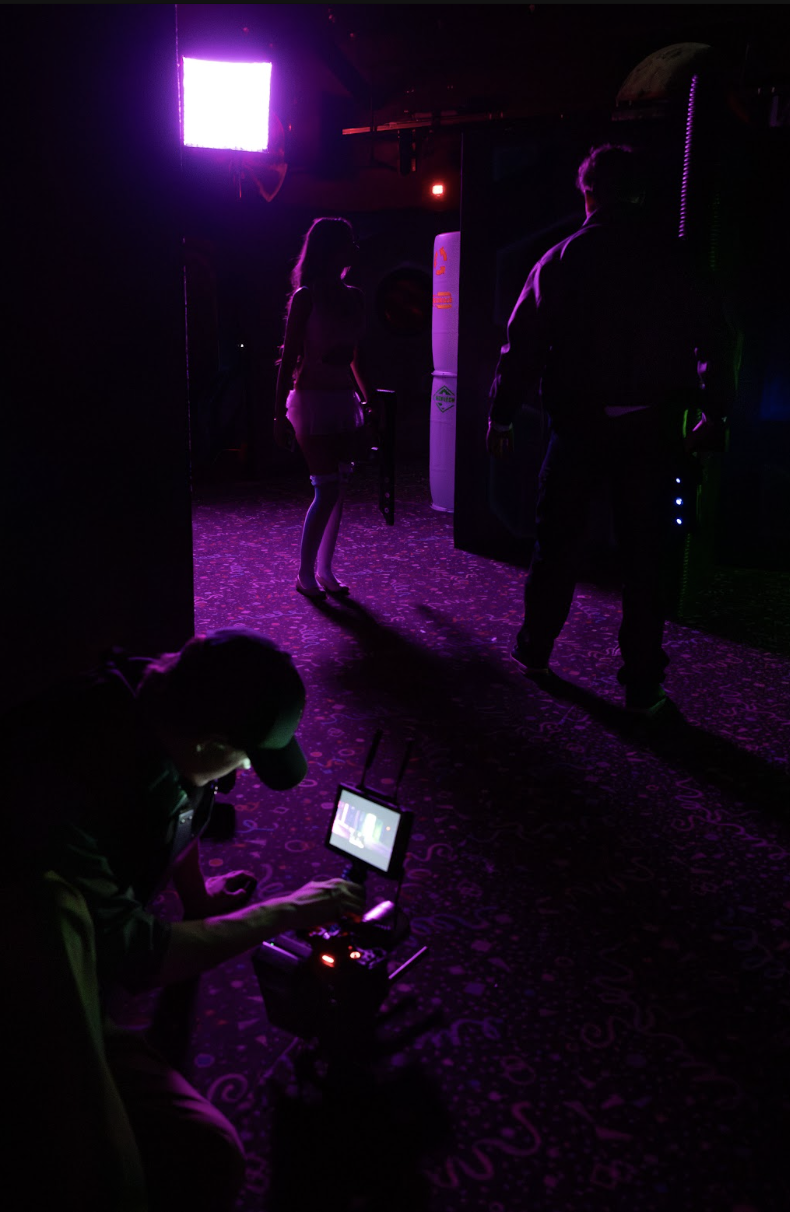
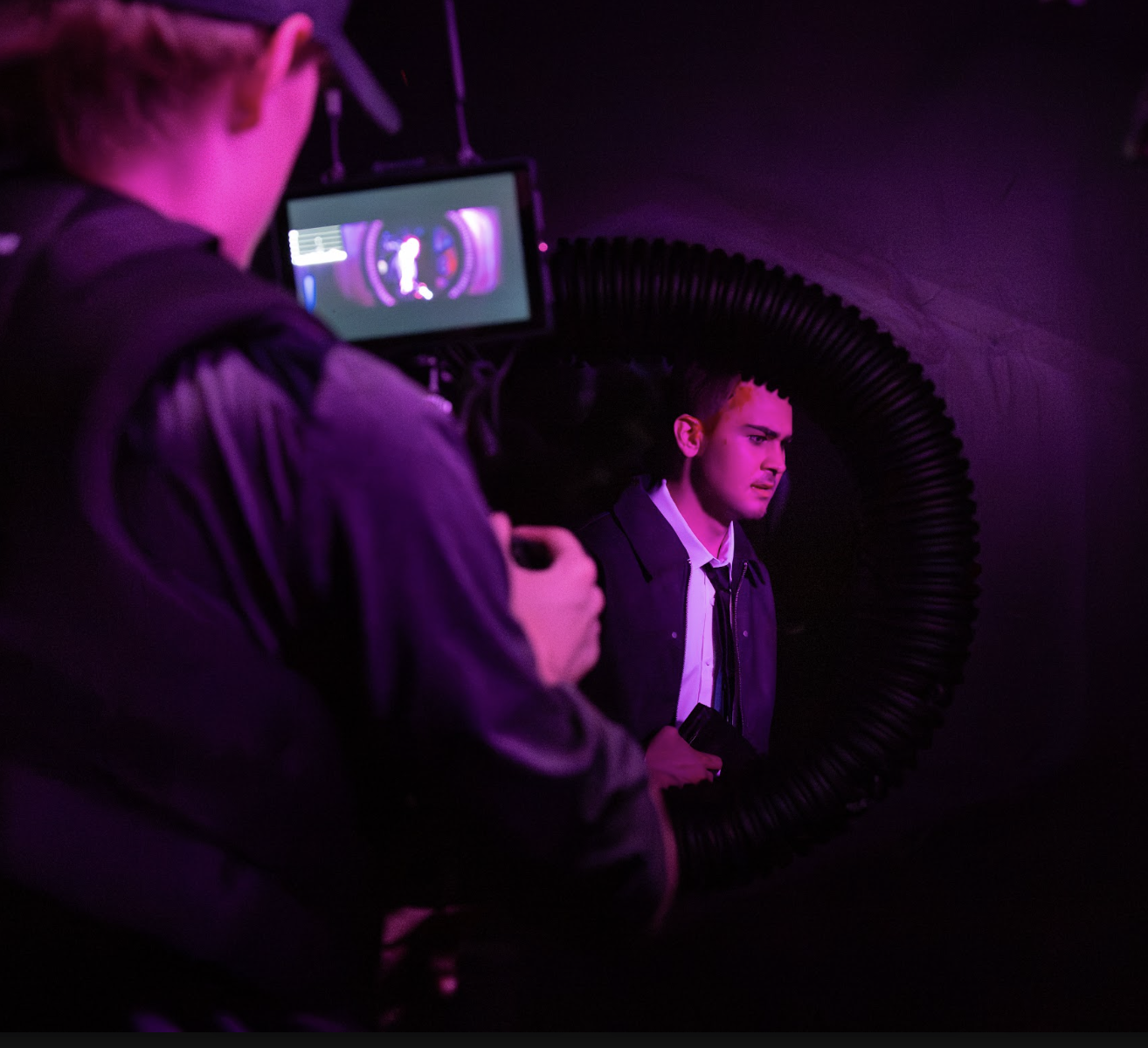
What I Learned:
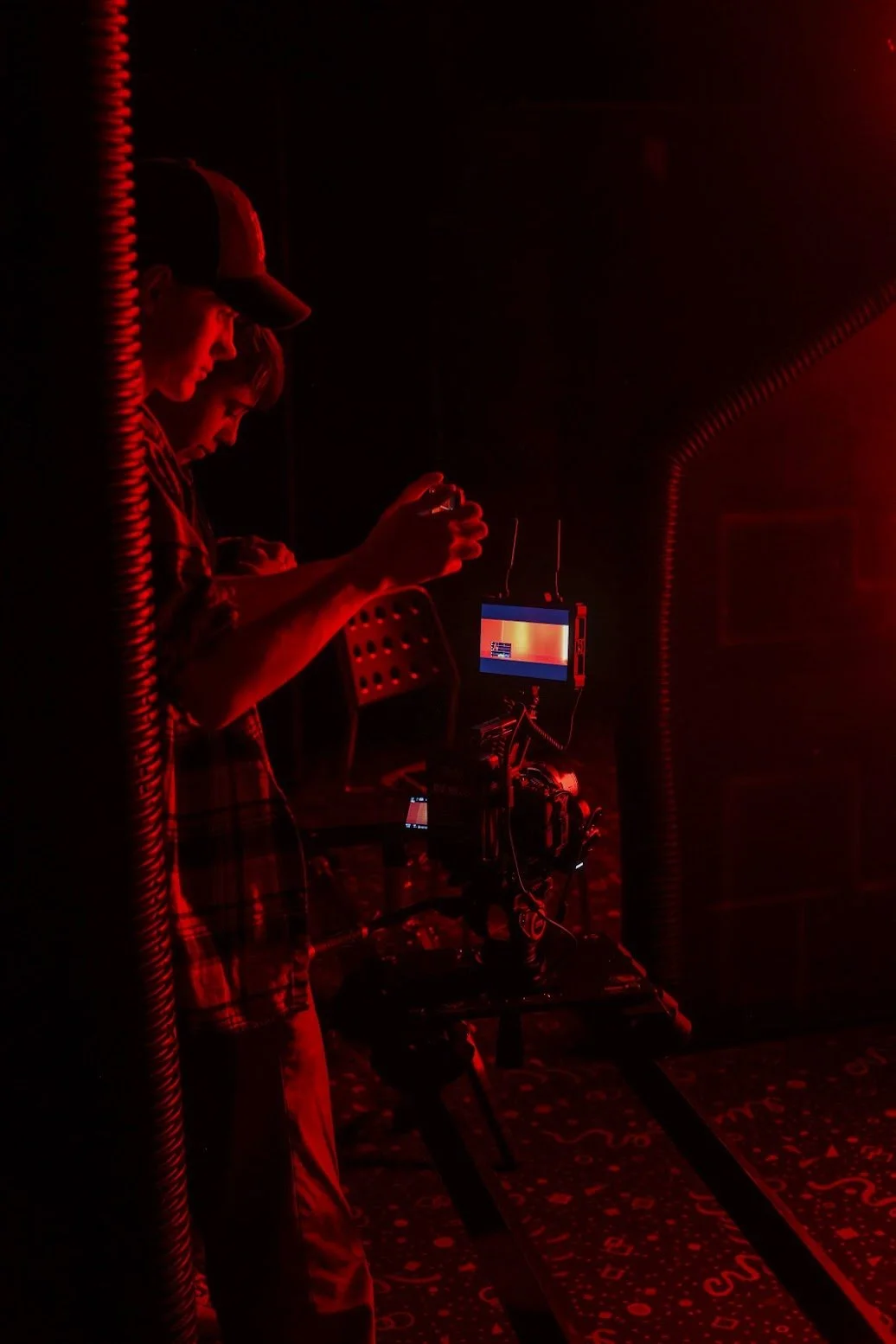
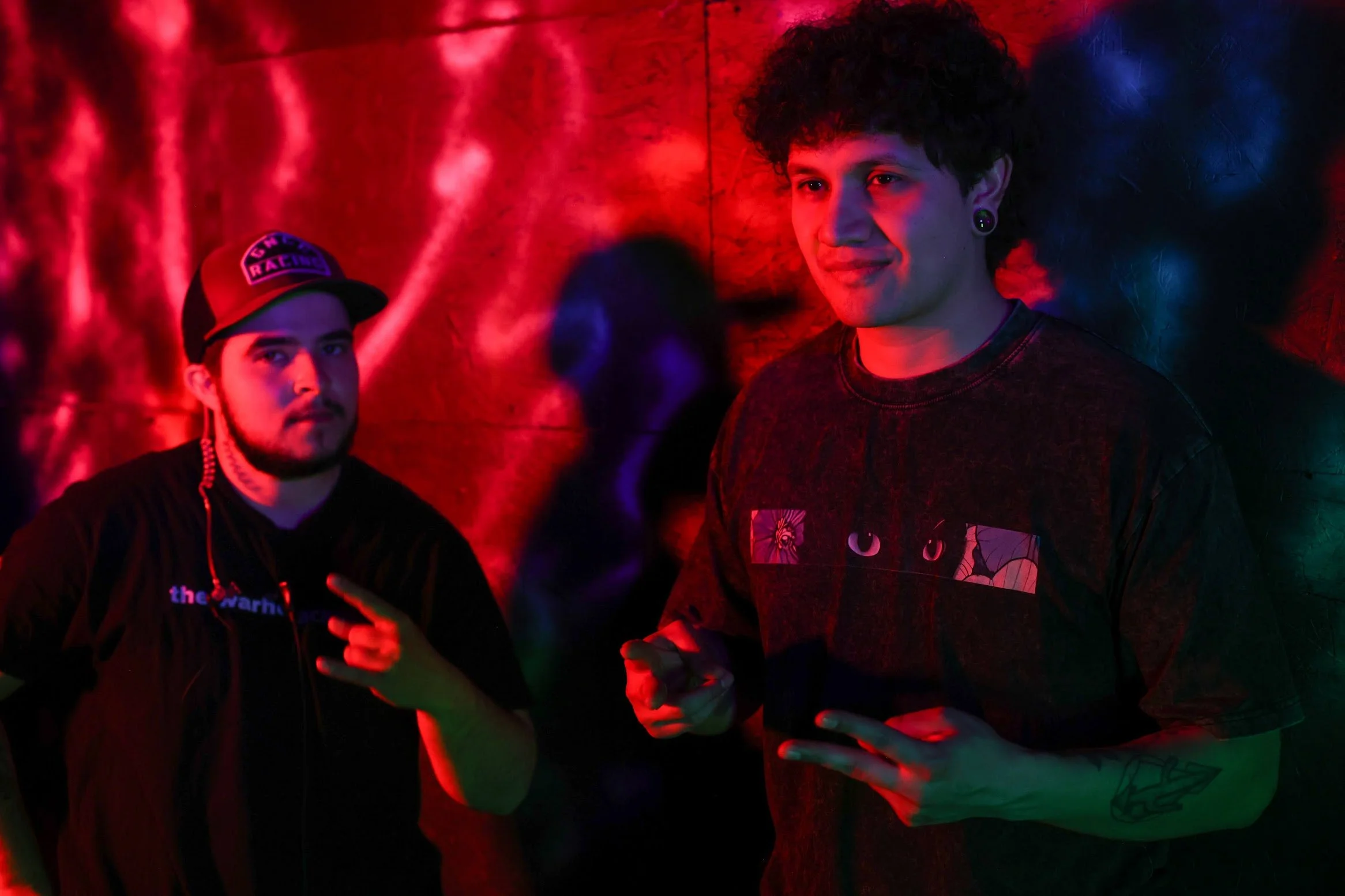
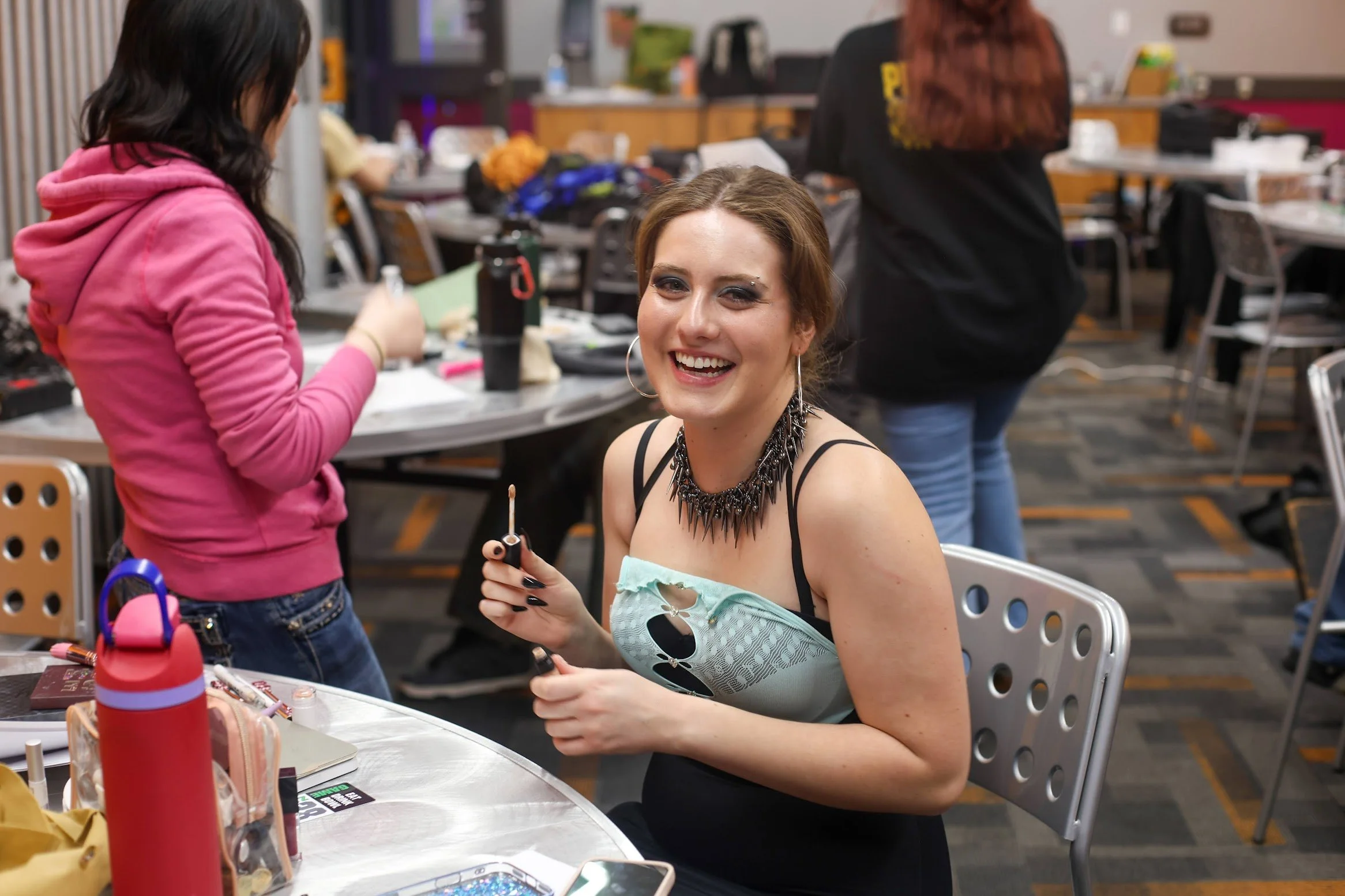
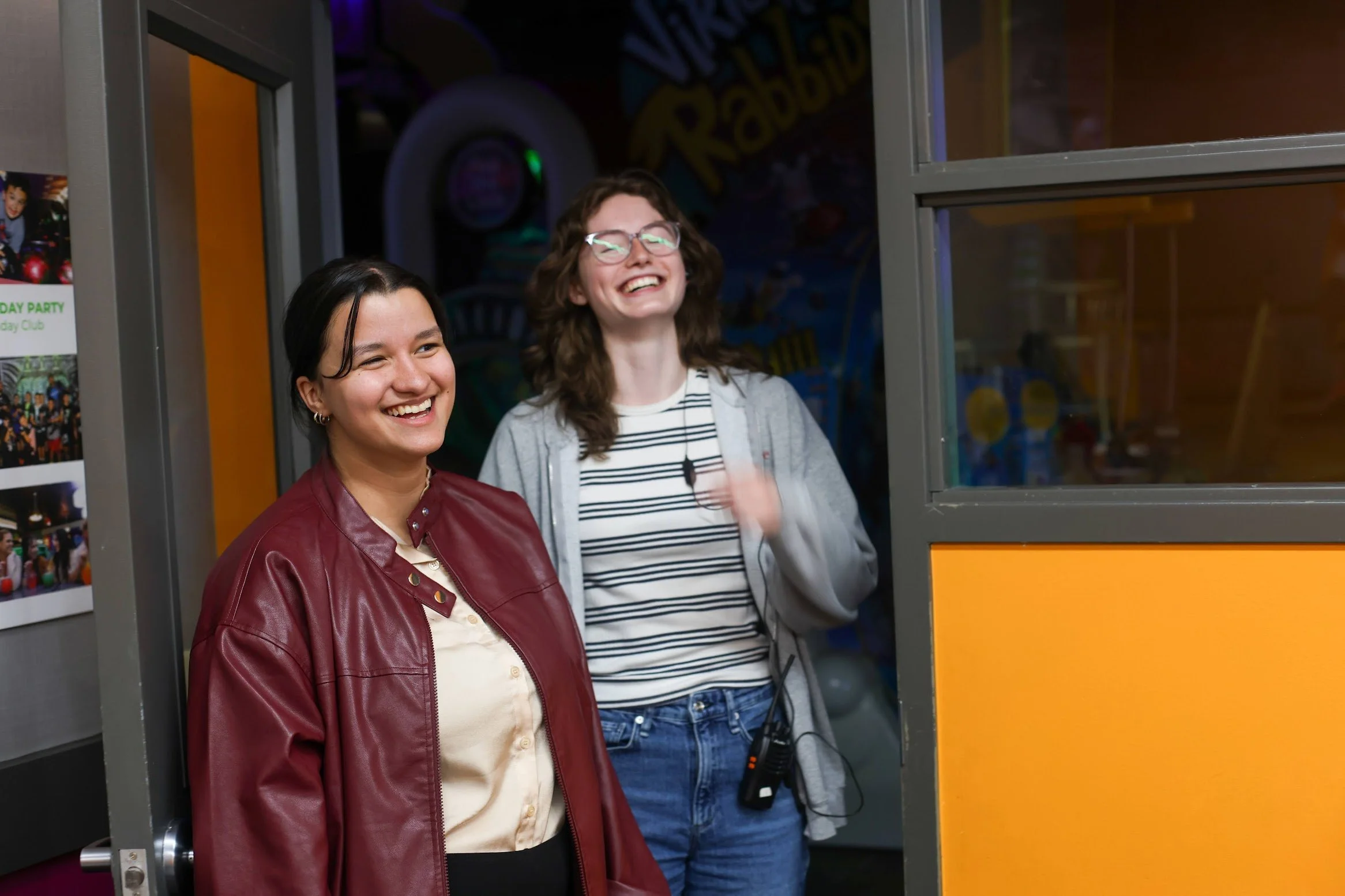
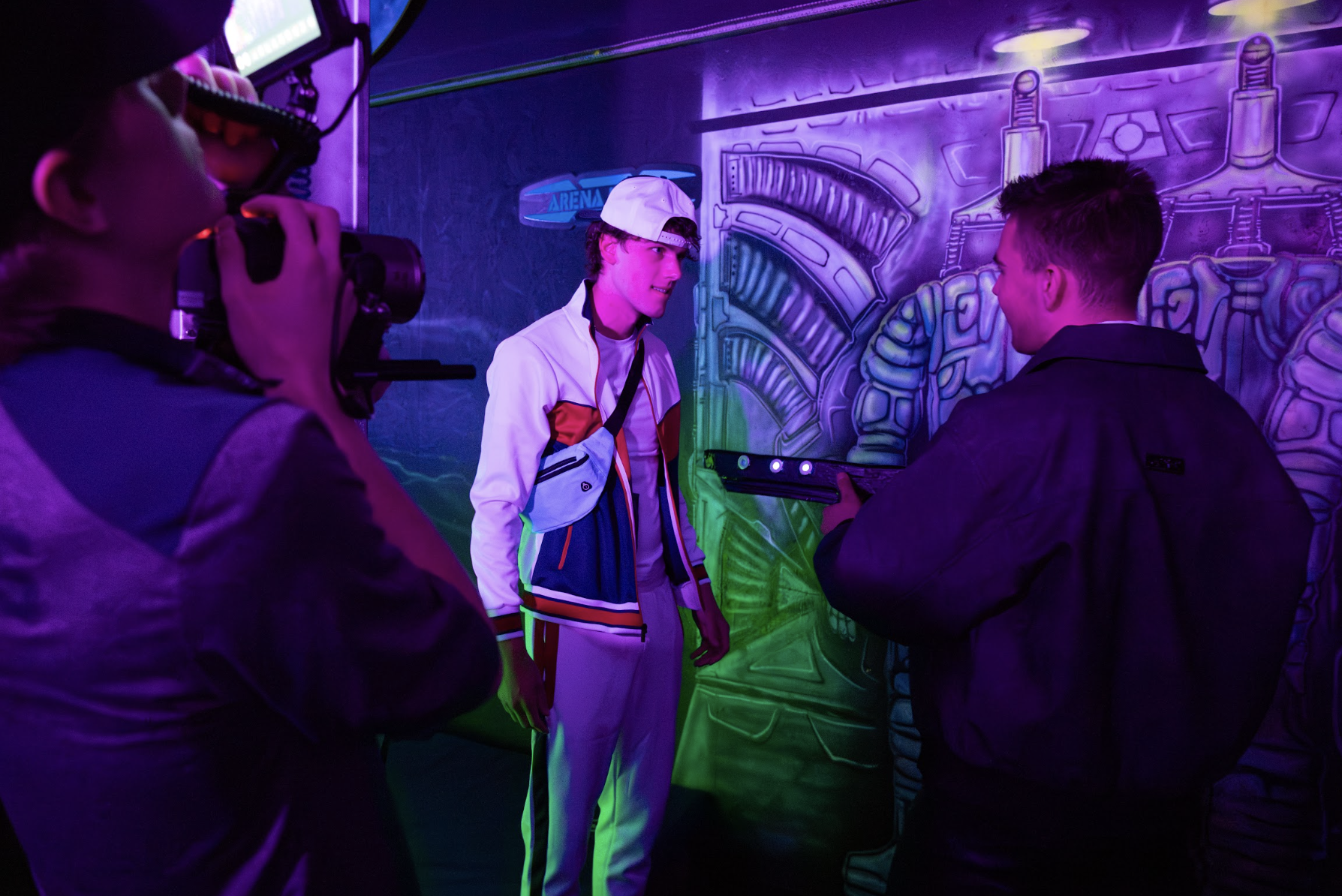
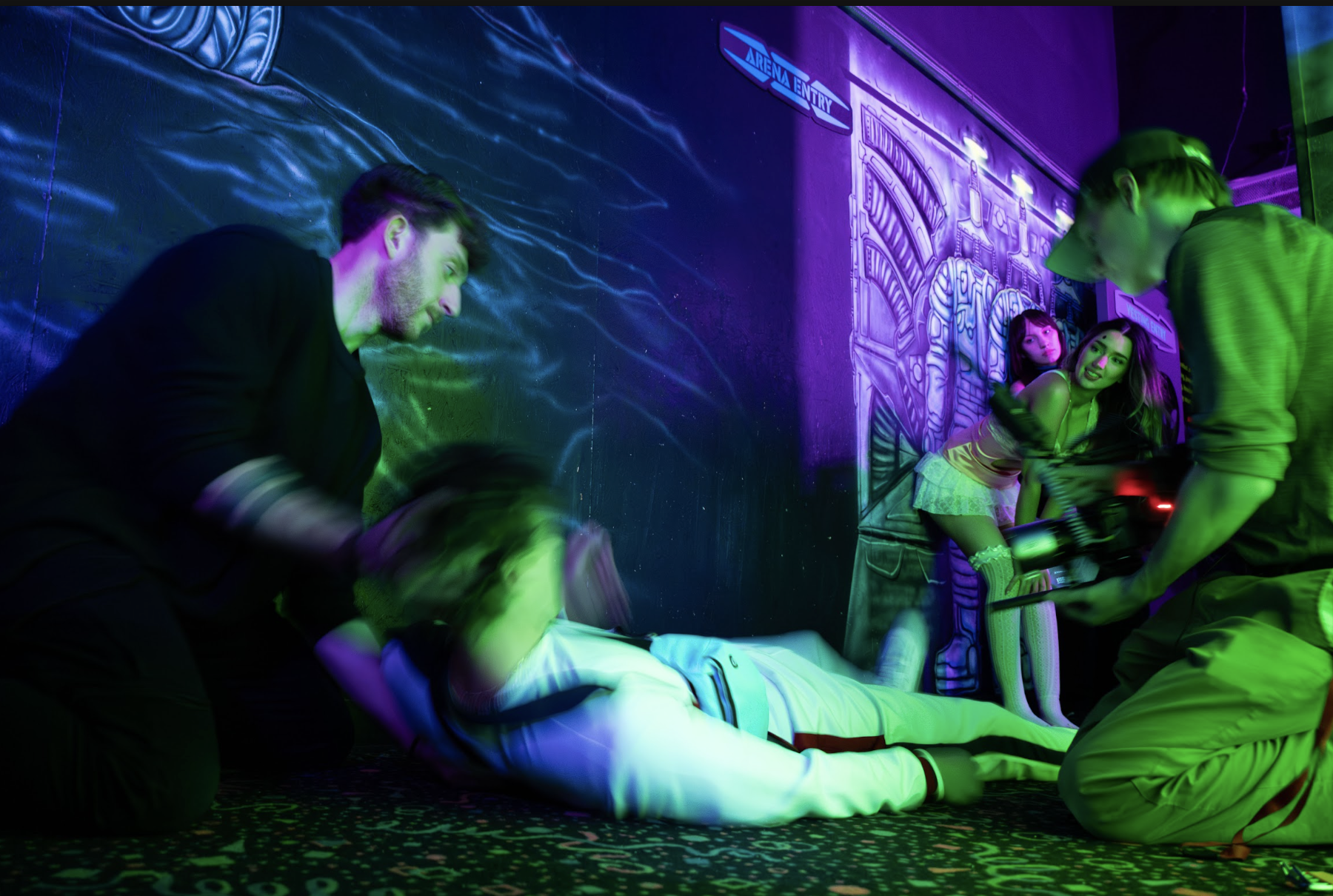
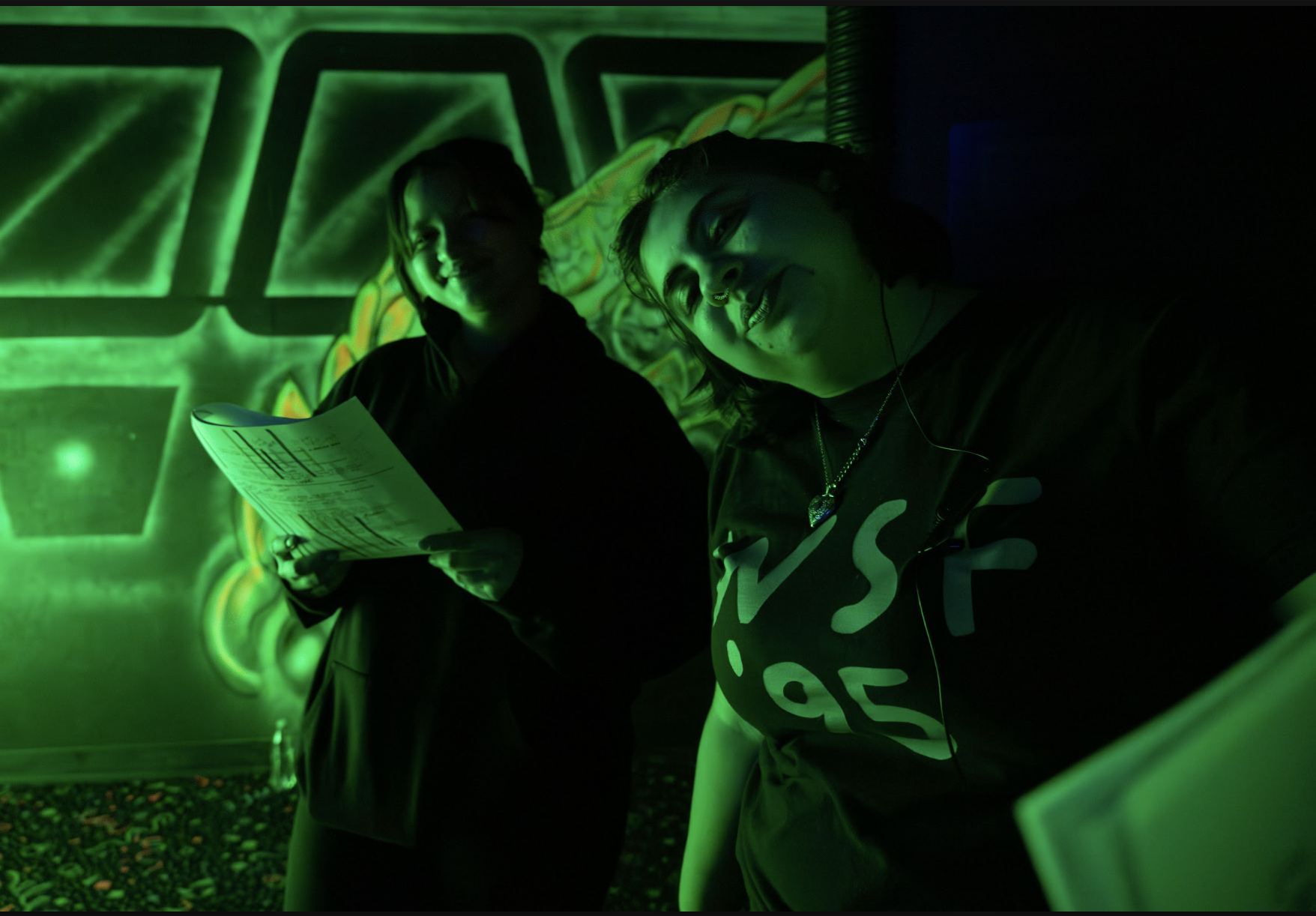
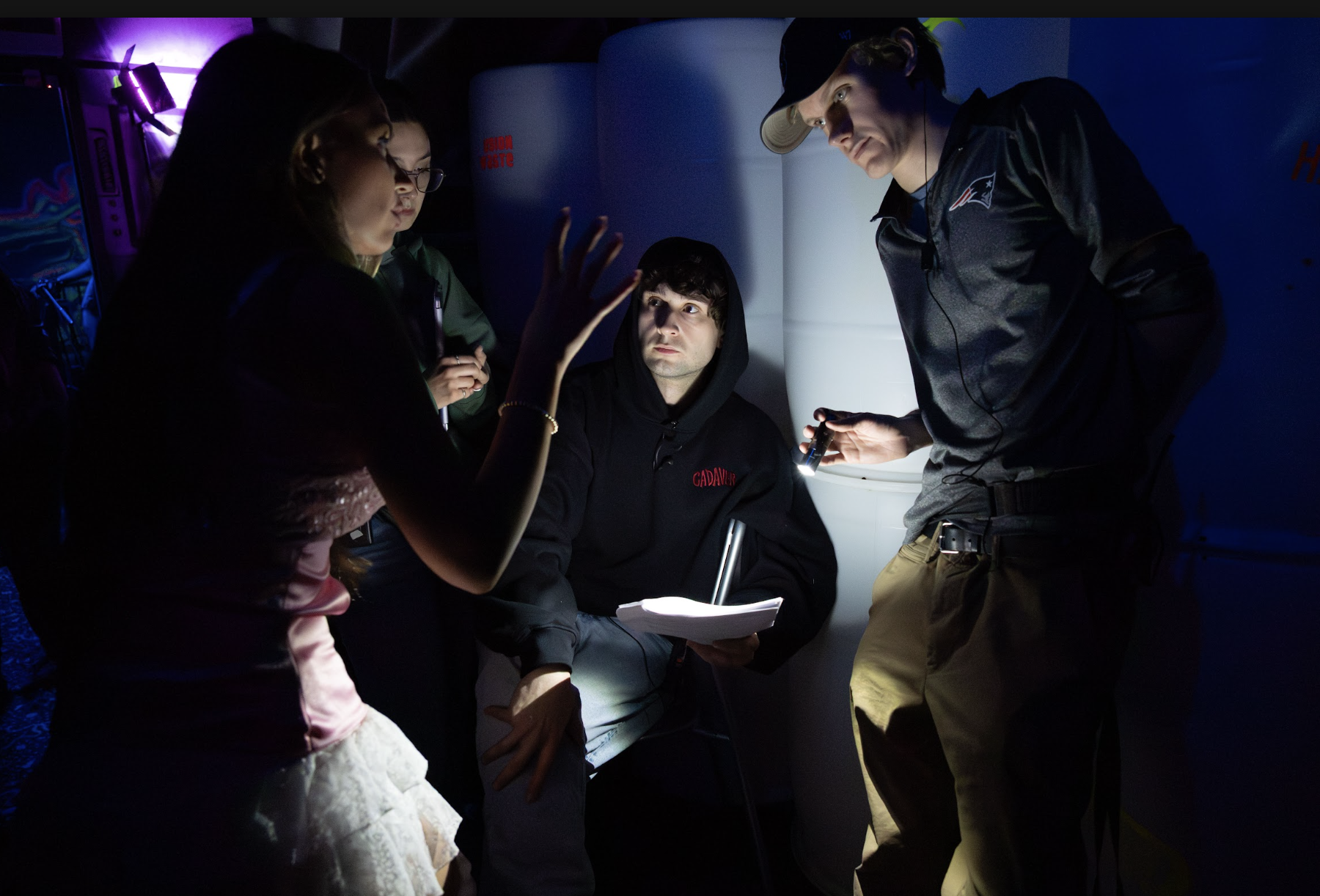
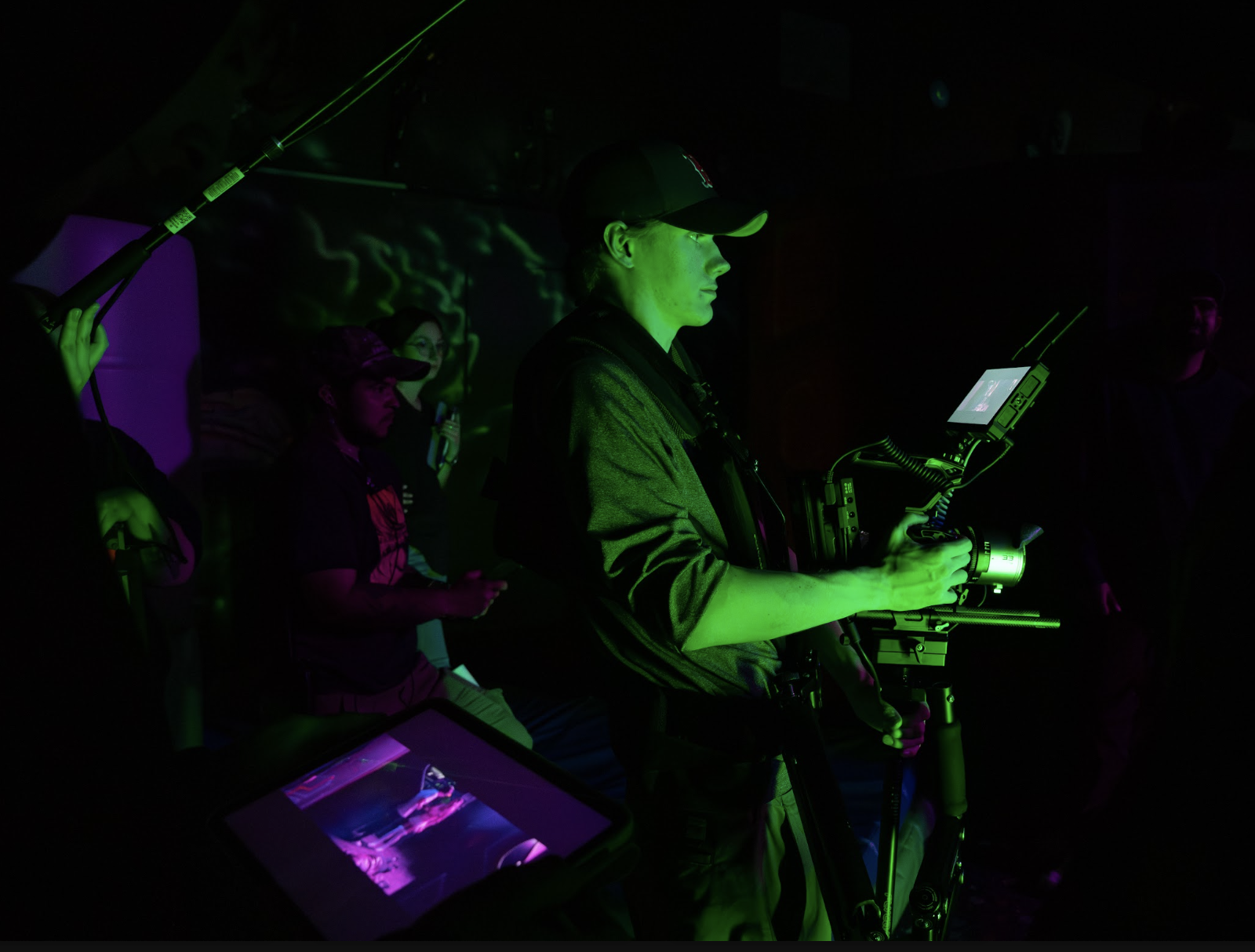
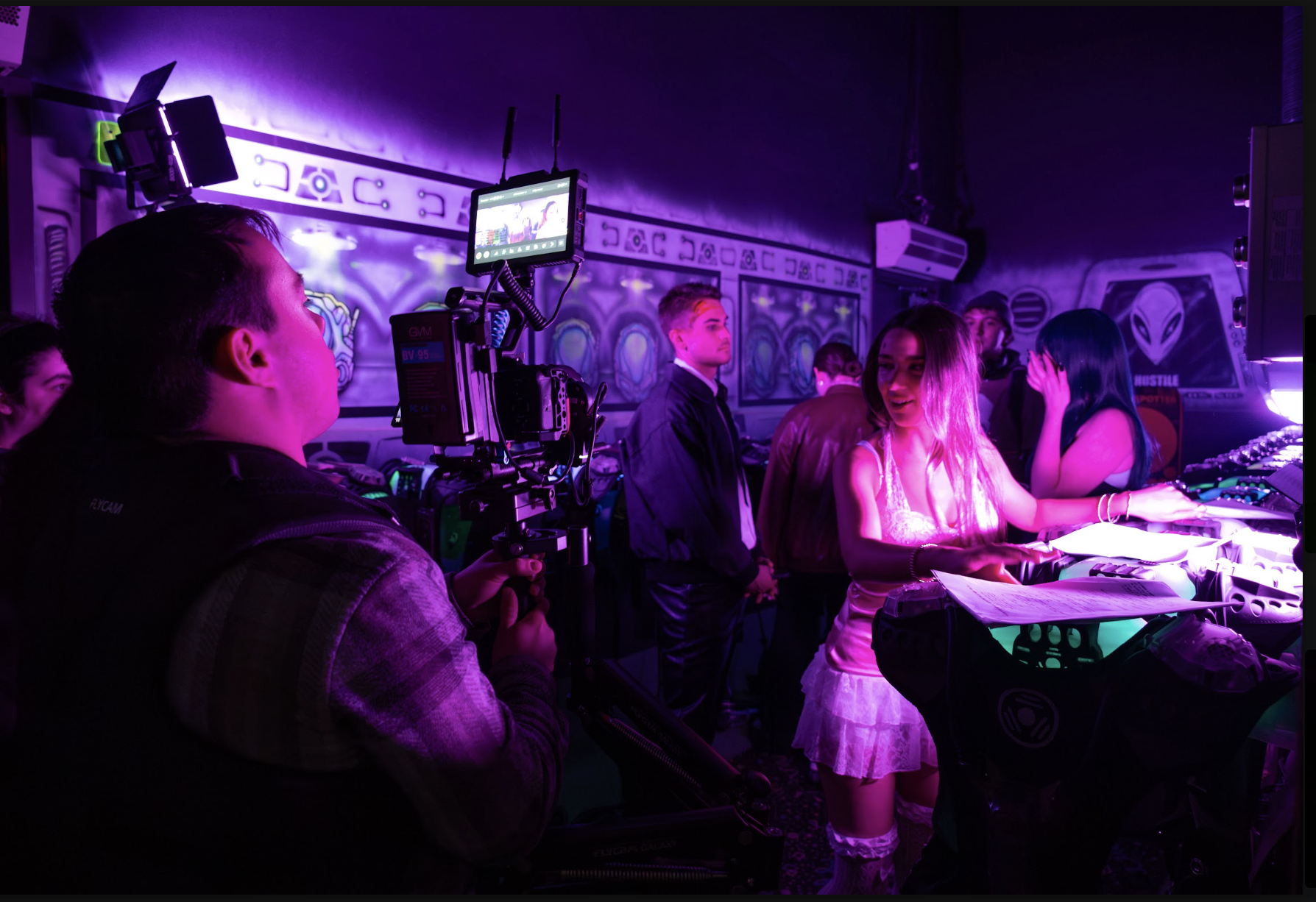
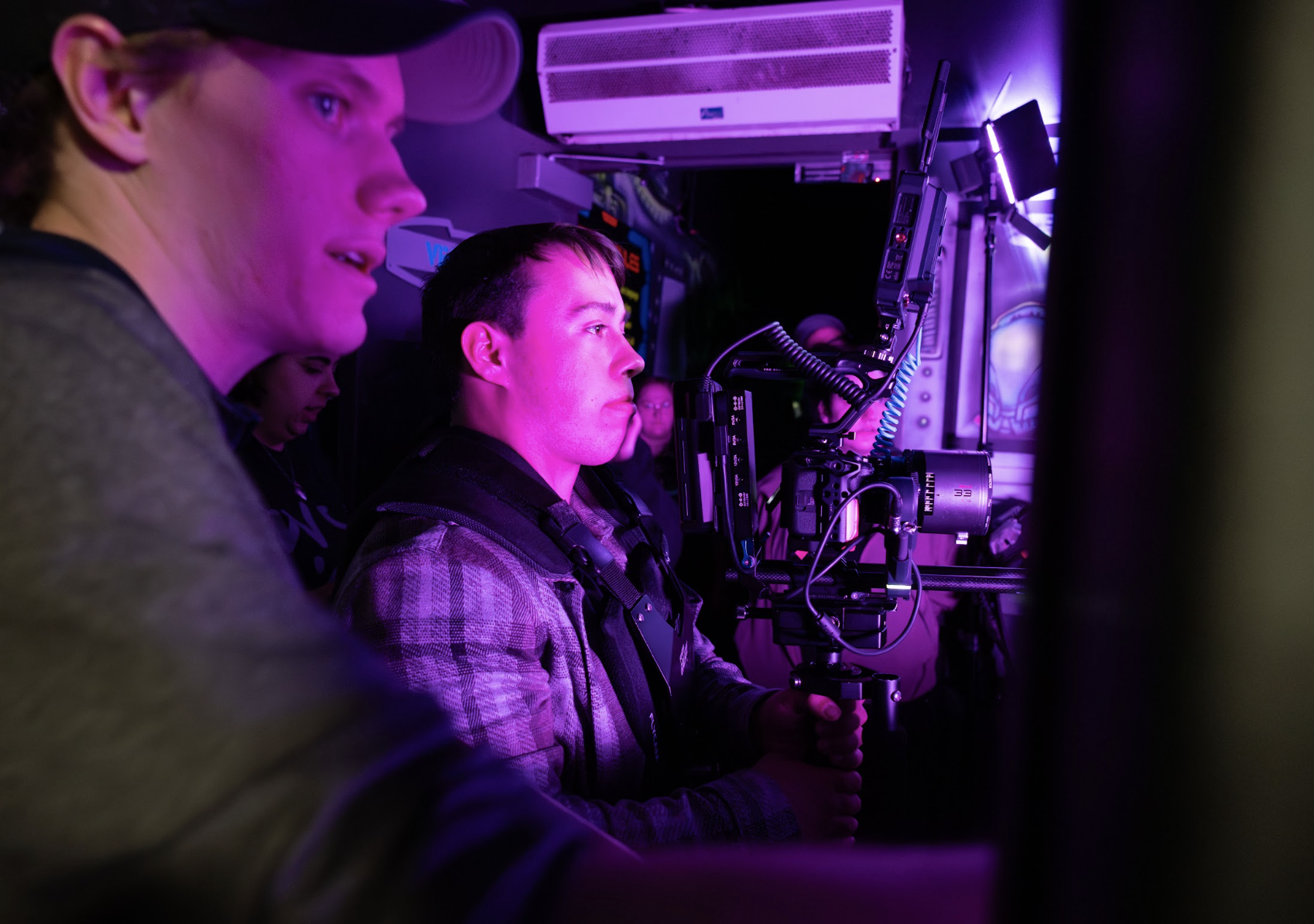
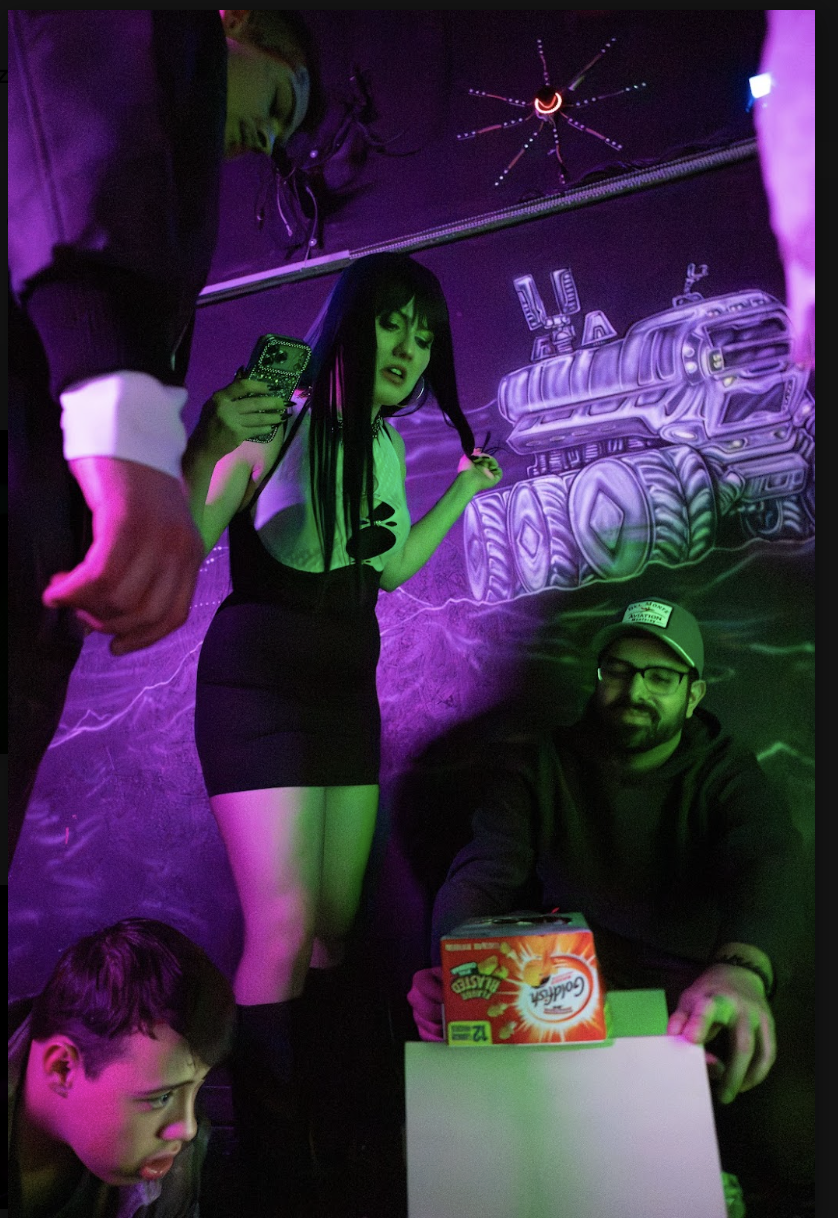
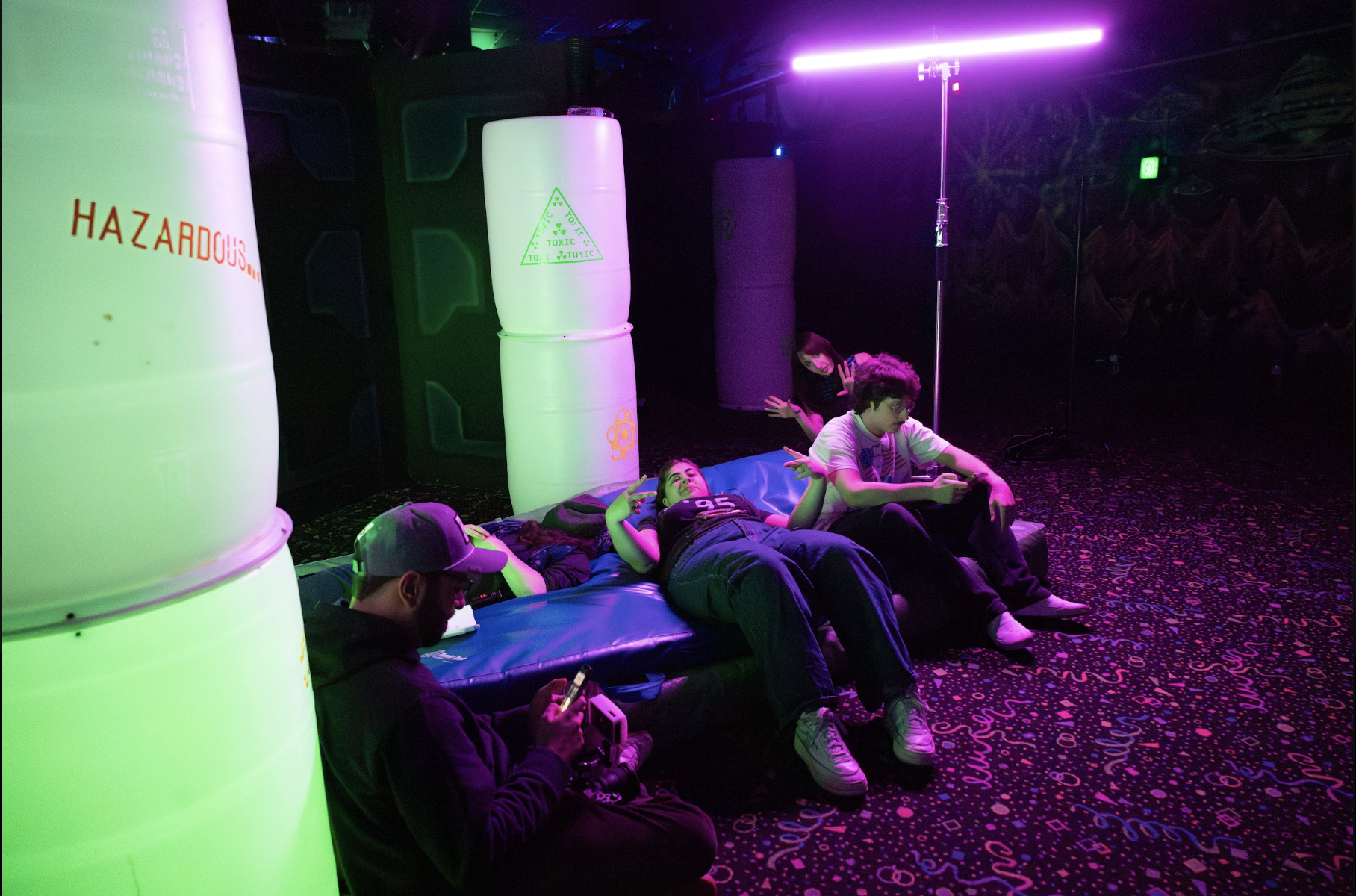
Firstly, I learned that my friends are invaluable and incredibly talented. From the intricate costume designs reflecting each character to the detailed cinematography- I am so proud of my peers and invigorated by their joy to create with the imagination of children on-set.
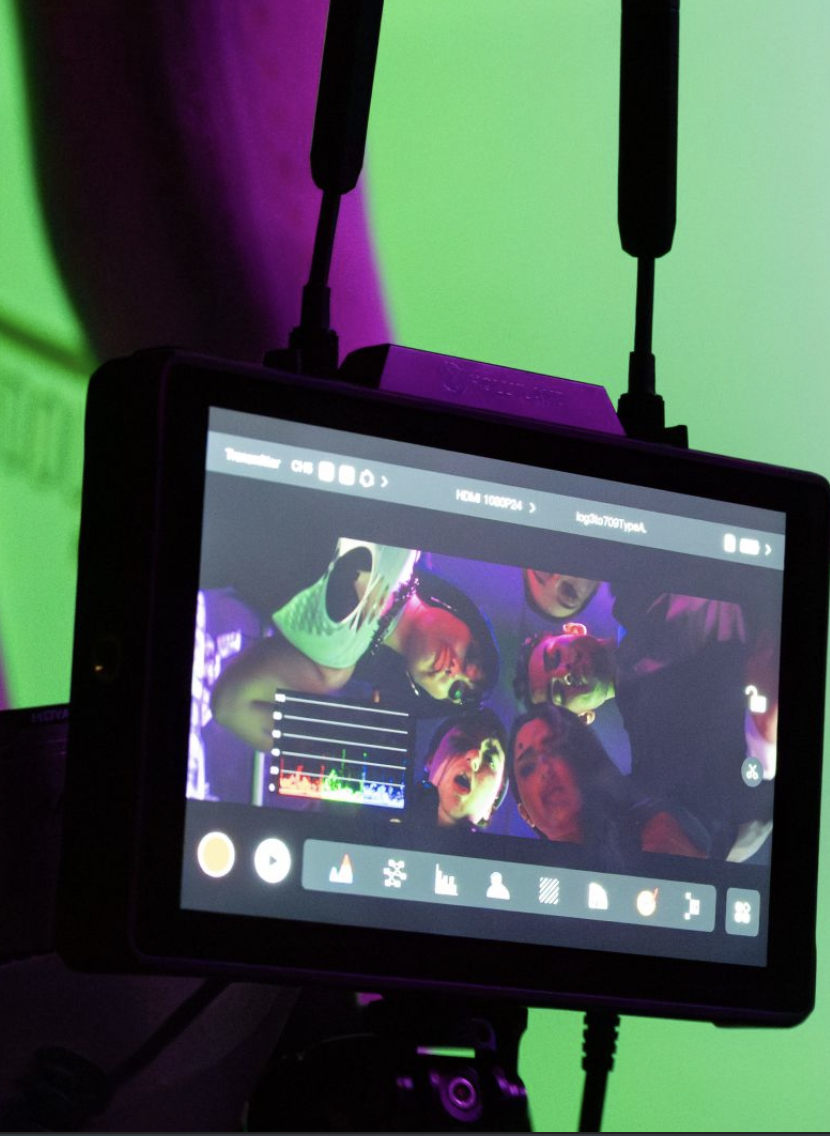
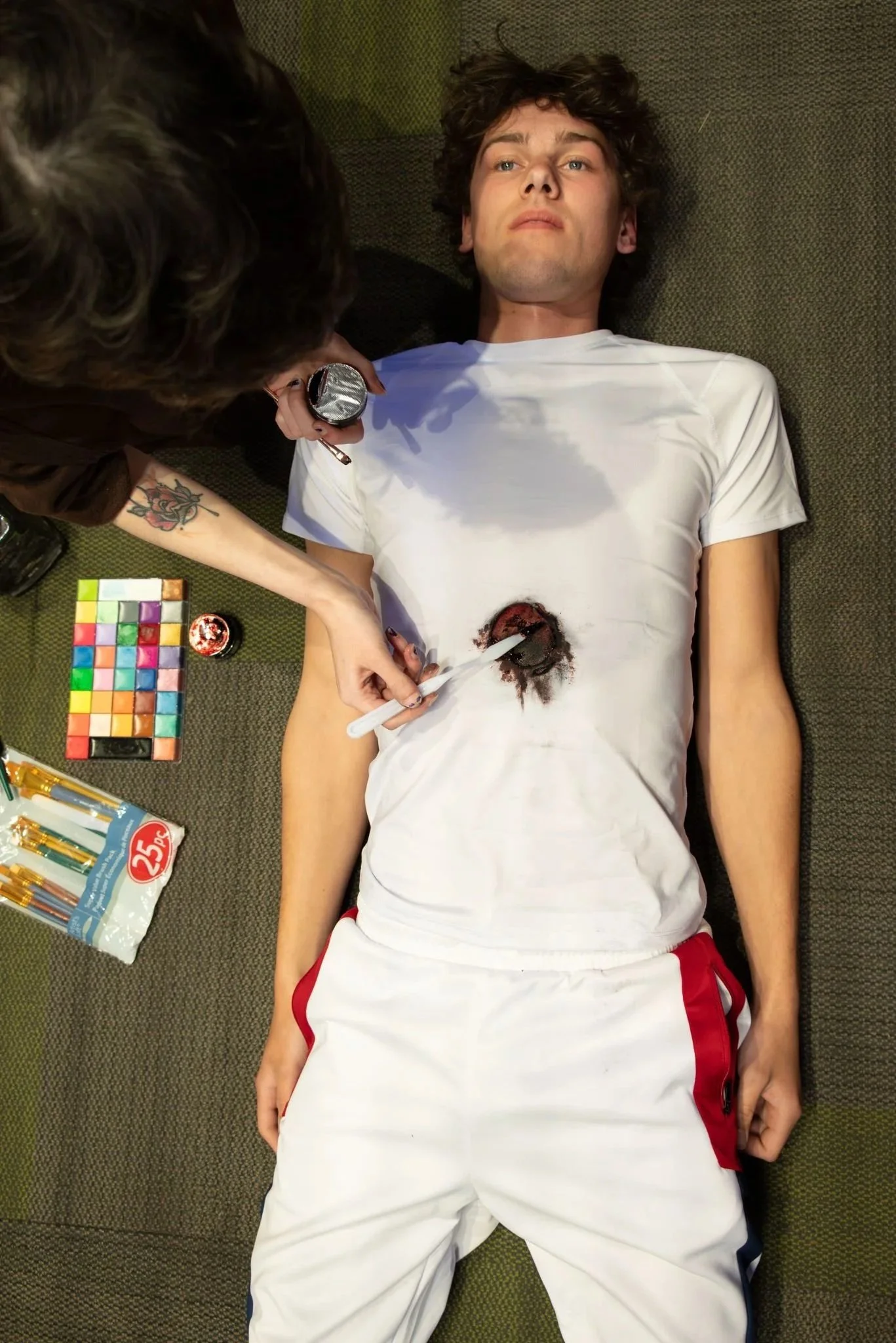
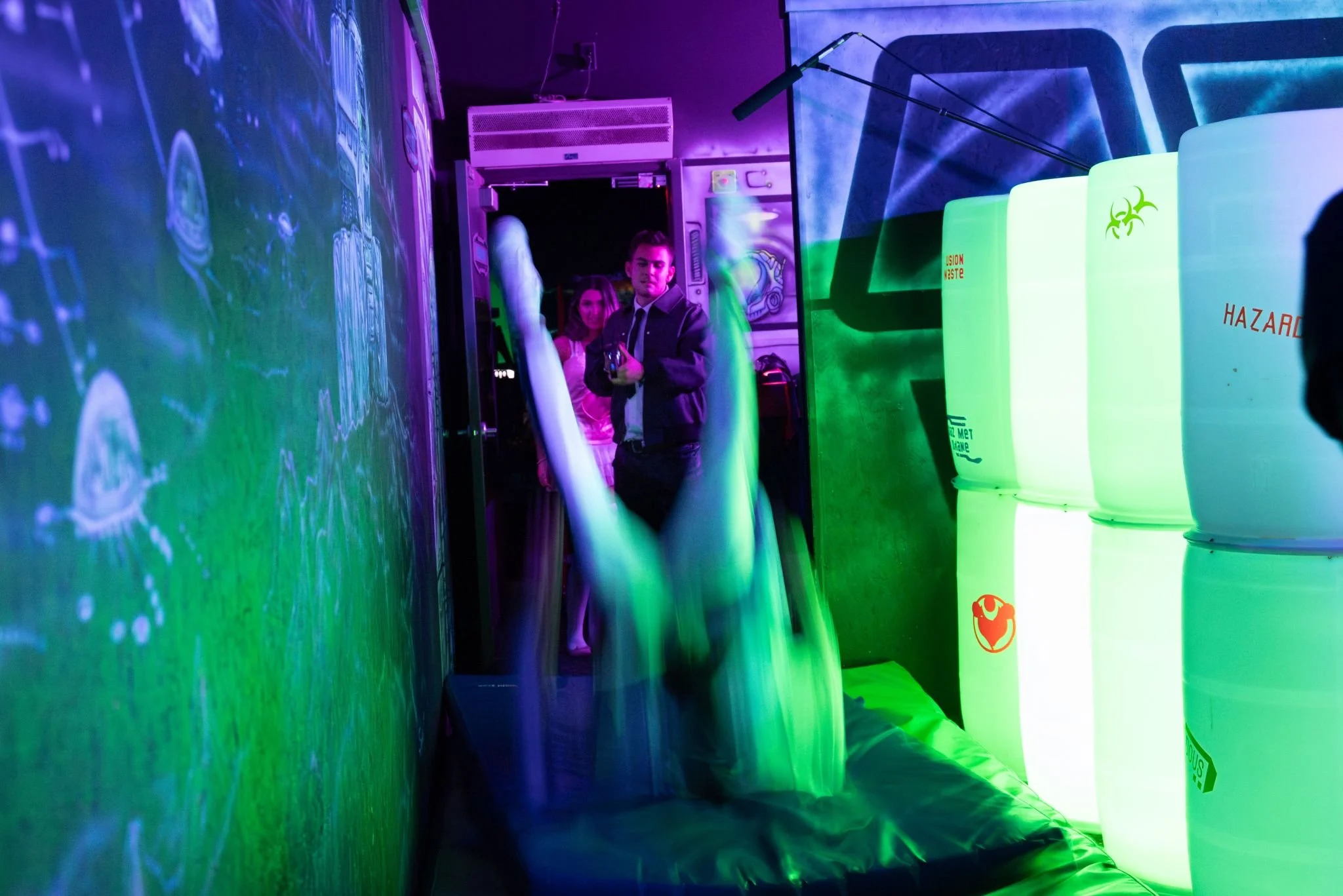
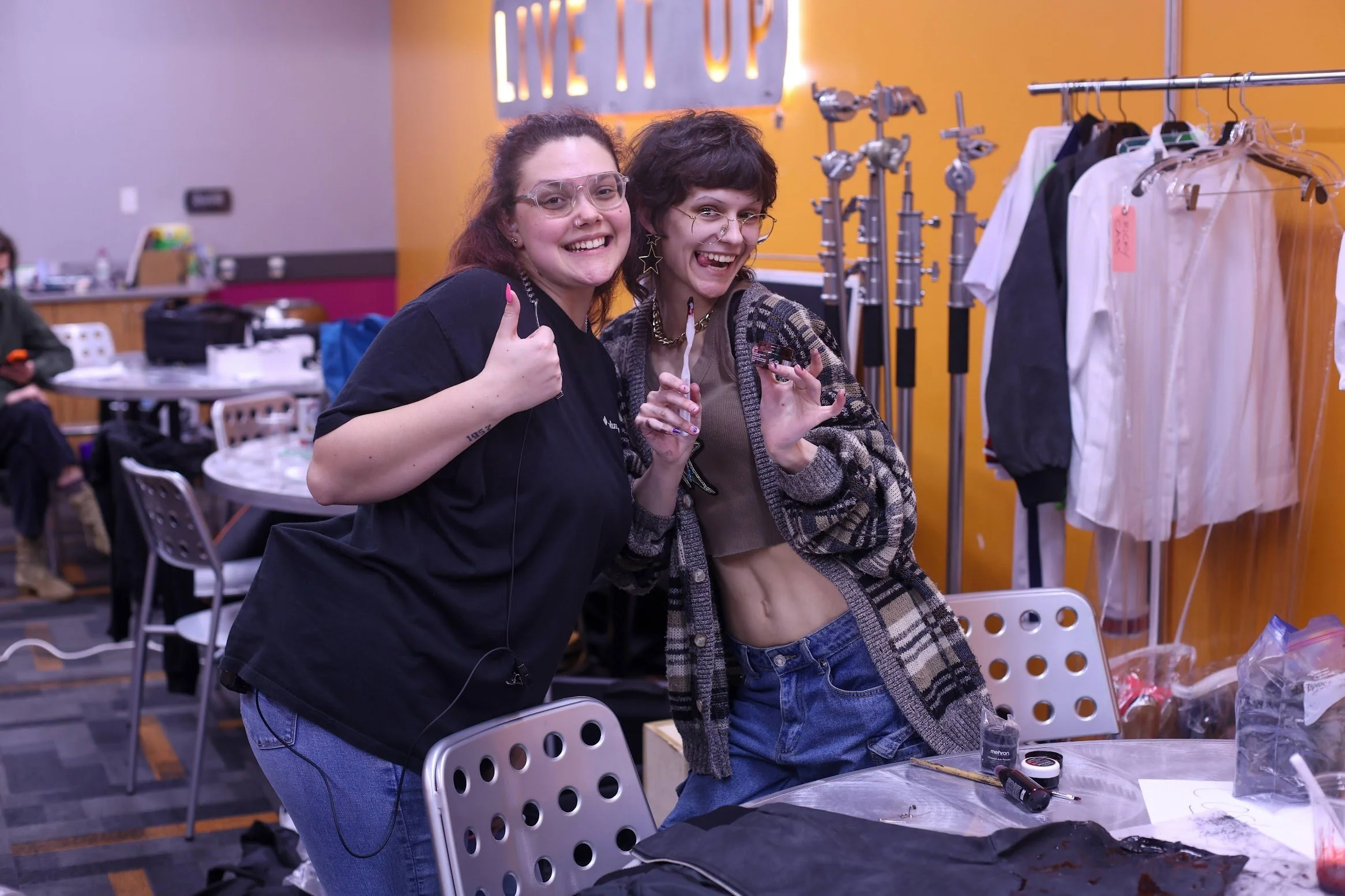
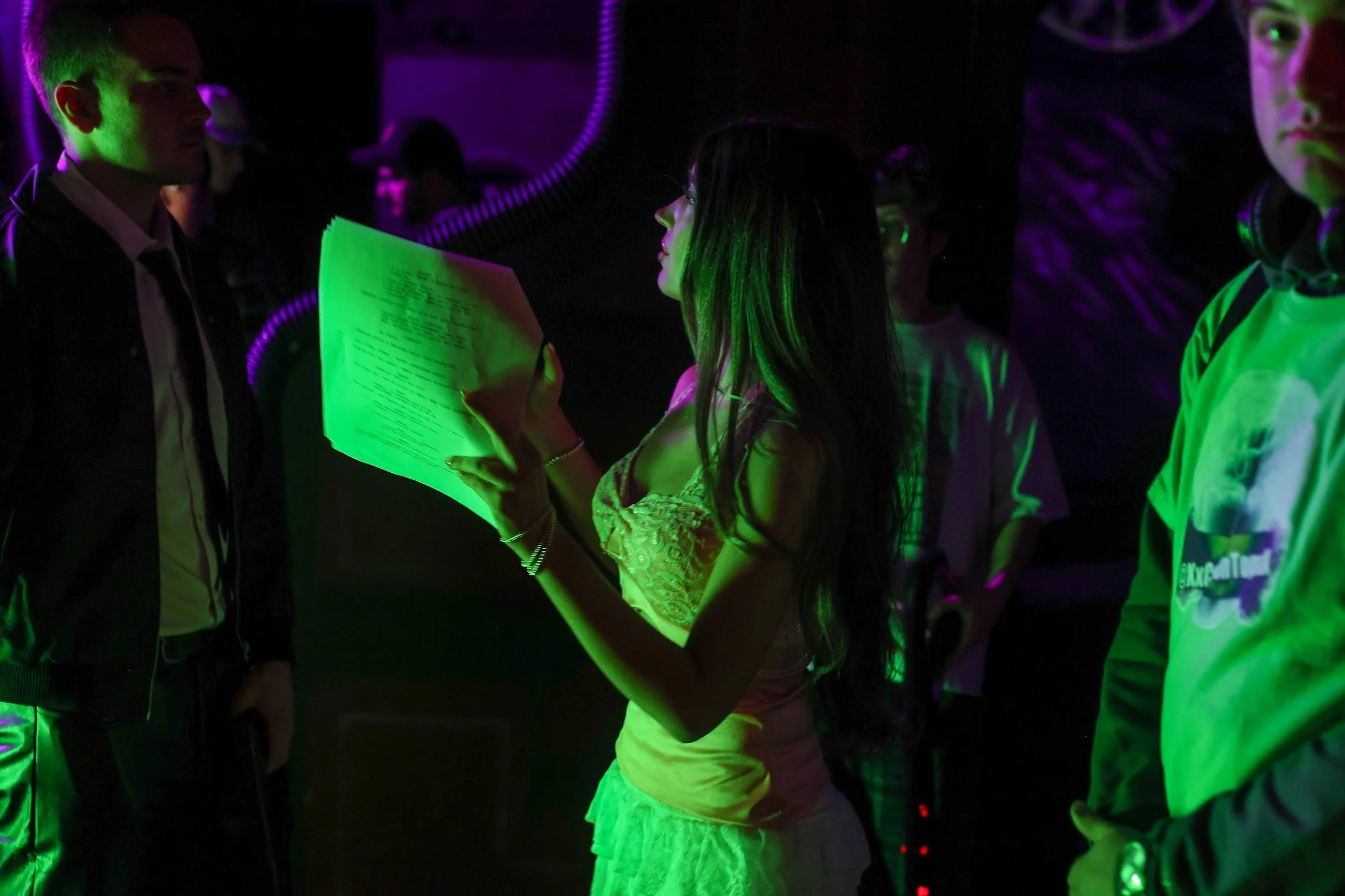
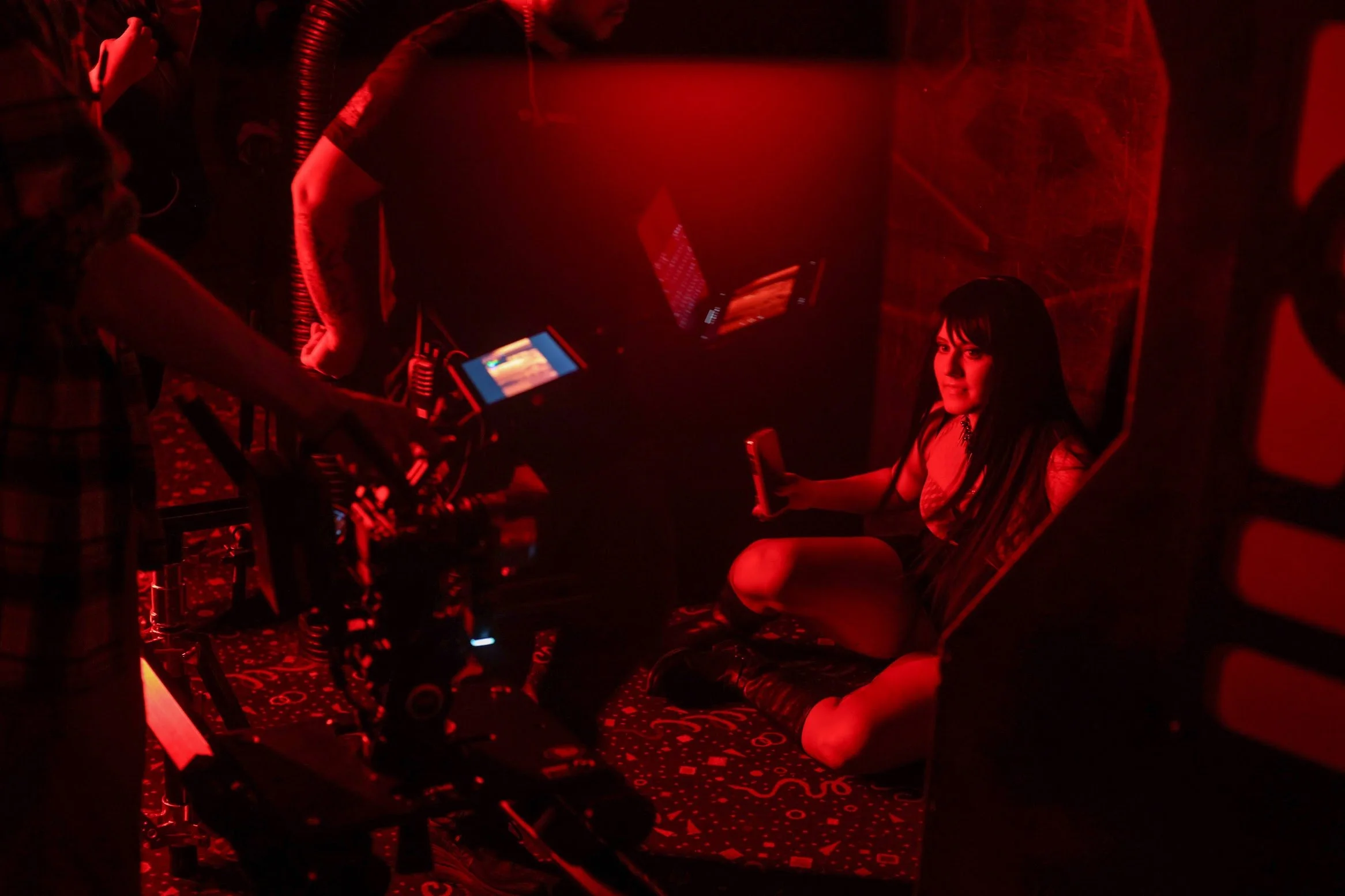
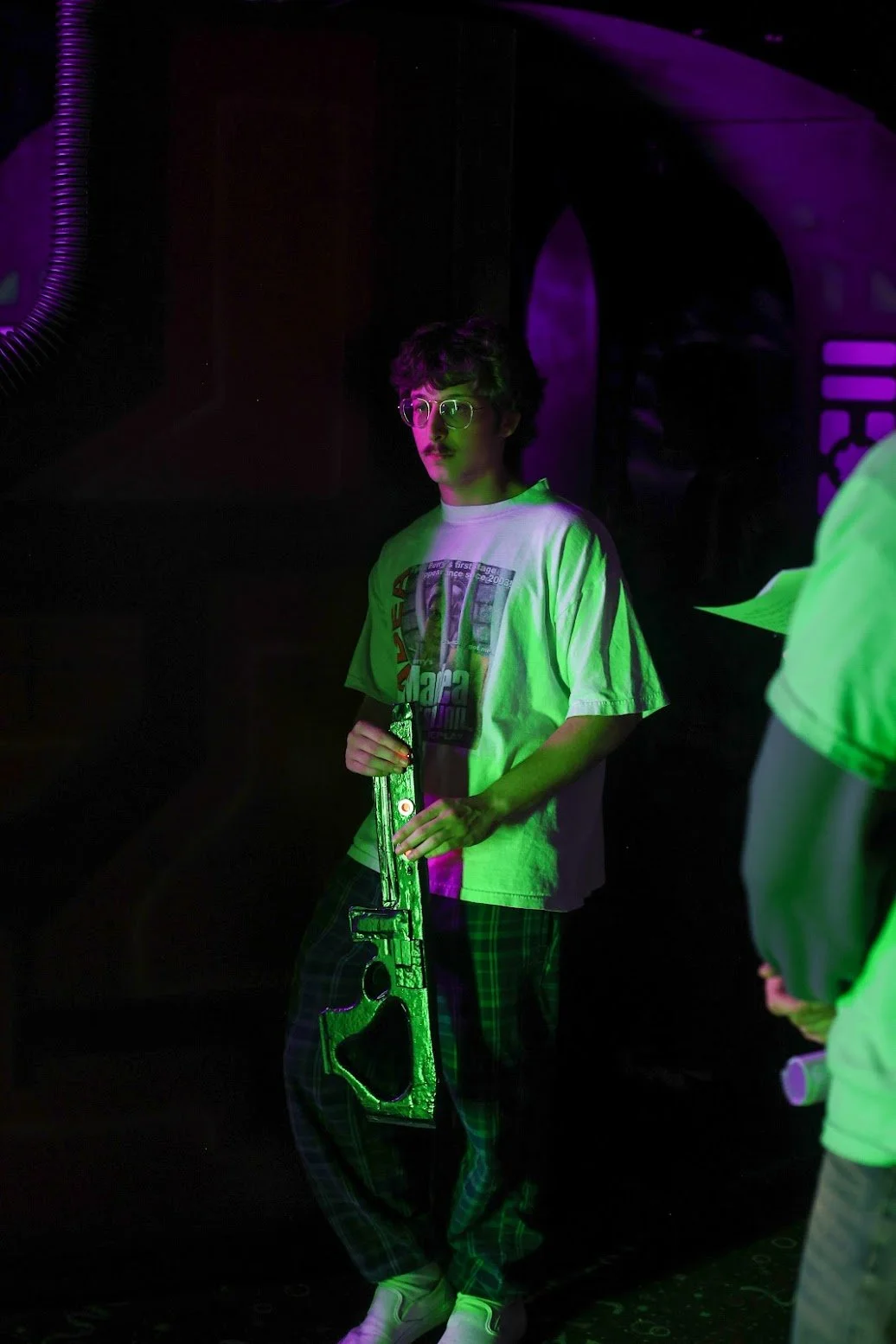
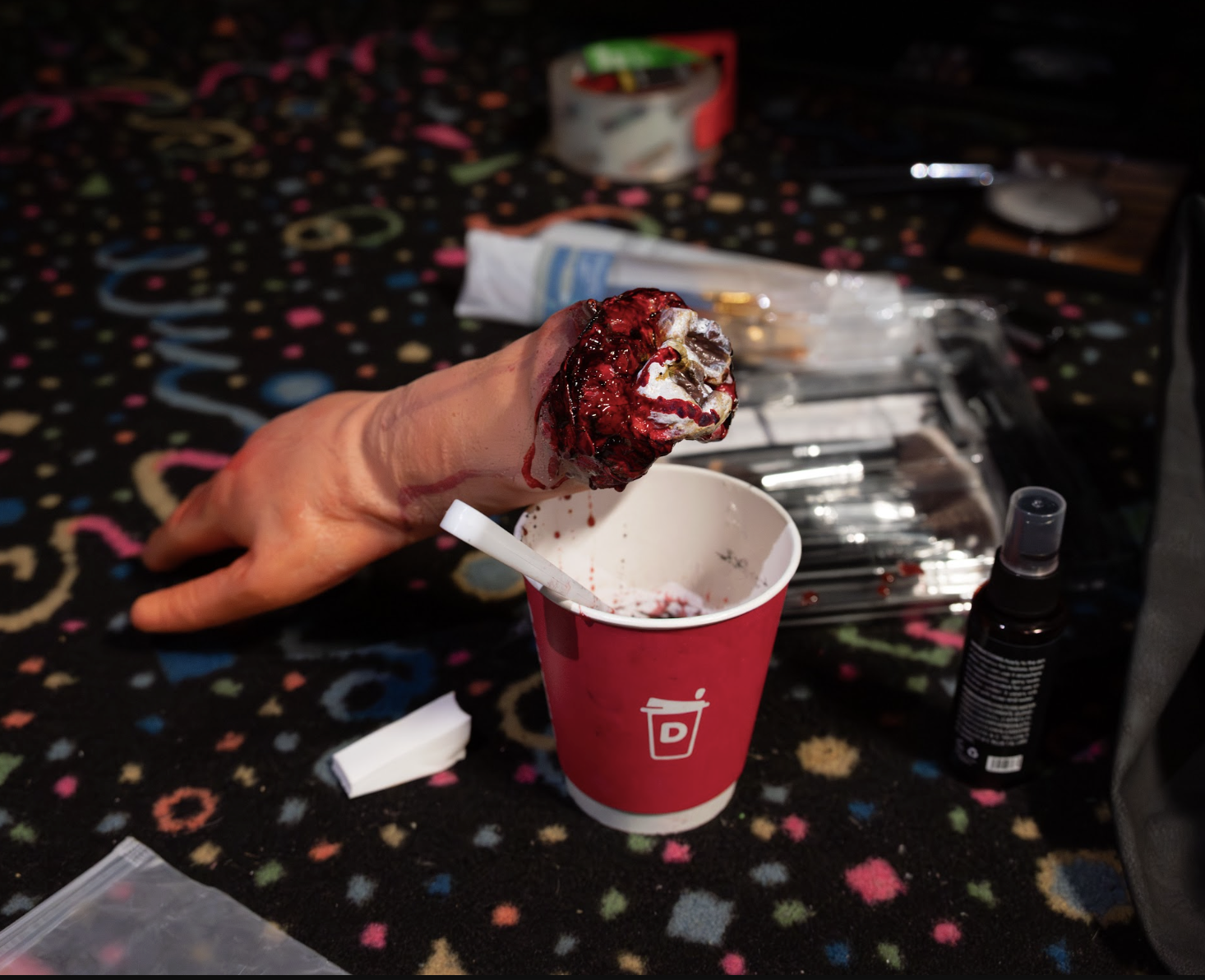
Some of our biggest challenges were pretty obvious. We were attempting a crazy laser-tag battle royale movie, with arms flying off, blood splattering, laser-weapons blasting- it appeared IMPOSSIBLE on an almost zero student budget. But, soon, calls after calls at laser-tag emporiums, and with SFX designers, and weeks of planning, everything came together. Each decision: the type of clay on the face-burn of Ricky, contributed to the heightened realism of the script. We were shooting for 2 late nights, with some students, some working professionals in the industry, but I learned that the ‘vibe’ on-set is a make-or-break. We always had fun snacks/music, and overall, everyone was happy to be there!
One unexpected discovery making Trigger Happy: writing the script before stepping in front of the camera gave me a deeper emotional access to the character than anything I'd experienced before. Knowing the story front-to-back completely shifted how I performed it, and I could empathize with her attention-seeking and violent craving for competition.
I also learned the importance of a good story; often, in this short, I got caught up in the spectacle: the stunts, explosions, lasers, the neon, A24-esque lighting. And, at points, I lost the character’s motivations and abandoned my previous focus on performances, which cost me in the final edit. Next time I will make sure to budget more rehearsal to experimenting with actors and assuring the plot is easier to follow.
This is the first time I ever acted as the lead and directed simultaneously- and wow- it was a challenge! My executive producer, and later co-director, Brandon Melo, got incredible performances out of me, and I managed the other actors. But the biggest thing I learned was the power of knowing this script like the back of your hand. I memorized every character’s lines by heart, and all the shots, shot types, and lighting setups; if anyone had a question, I was prepared, saving so much time.
Editing this film was also a beast. I learned the importance of organization in post-production: properly managing media, syncing audio, maintaining clean project structures, and developing a more professional workflow. I also pushed myself far outside my comfort zone by teaching myself visual effects. Creating the laser sequences required extensive compositing, motion tracking, rotoscoping, relighting, and experimentation to blend practical and digital elements seamlessly.
Beyond VFX, I explored new AI-assisted workflows for stream-interface design, and audience-simulation tools. Most importantly, I learned that technology is only valuable when it serves the story.
Ultimately, Trigger Happy gave me confidence that ambitious ideas are worth pursuing, even when they initially seem impossible. What began as a concept that felt far beyond the scope of a student production became a completed film through persistence, collaboration, and creative problem-solving. More than anything, this project reminded me that the most rewarding experiences often come from taking risks.